You do not need professional equipment to take beautiful safari photographs, but a little preparation goes a long way.
Equipment
A zoom lens reaching 300–400 mm is ideal for wildlife; a wider lens is useful for landscapes and camp life. A beanbag is more practical than a tripod in a vehicle. Bring plenty of memory cards and batteries — charging is available at most camps.
Light
The best light is in the first and last two hours of the day. This is when predators are most active, too, so early starts pay off.
Composition
- Get down to eye level with the animal when possible.
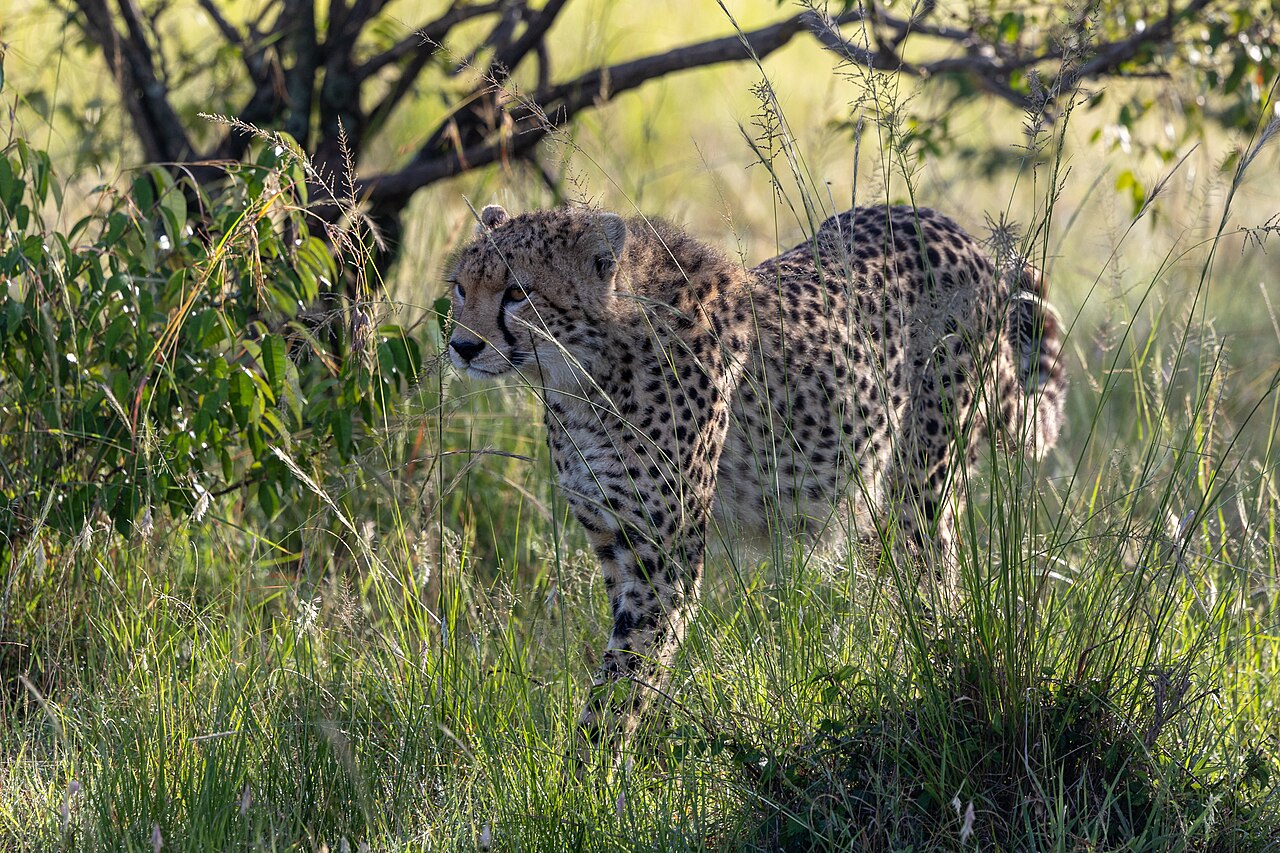
- Focus on the eyes.
- Include the environment to tell a story — elephants with Kilimanjaro, wildebeest in the river.
- Leave space in the direction the animal is moving.
Work with your guide
Tell your guide you are keen on photography: they will position the vehicle with the sun behind you and turn the engine off to reduce vibration. Private vehicles, like on all our safaris, make a real difference.
Browse our photography safaris.