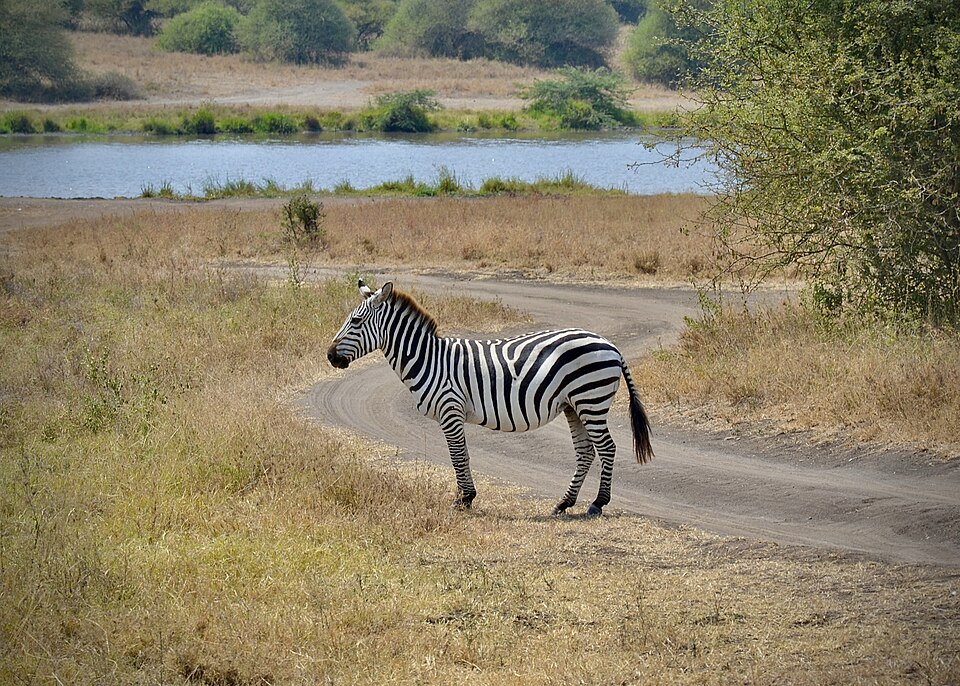
Ethiopia was never colonised, and its culture has developed along its own path for millennia. The country follows its own calendar, writes in the Ge’ez-derived script and is one of the oldest Christian nations in the world. Its highlands, often called the “Roof of Africa”, are cool, green and spectacular.
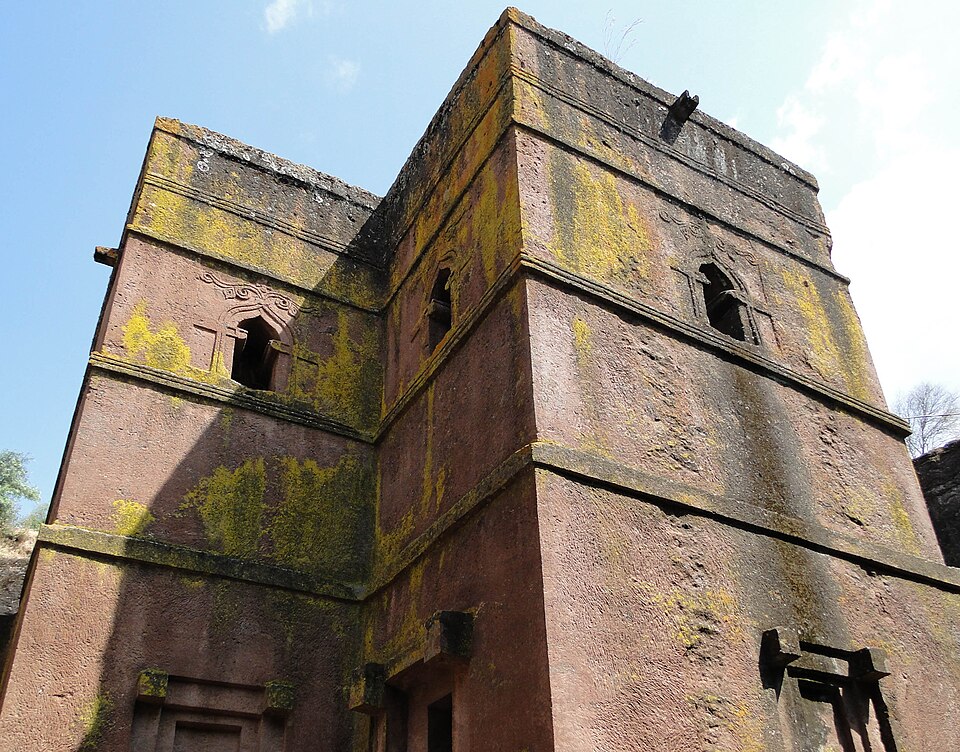
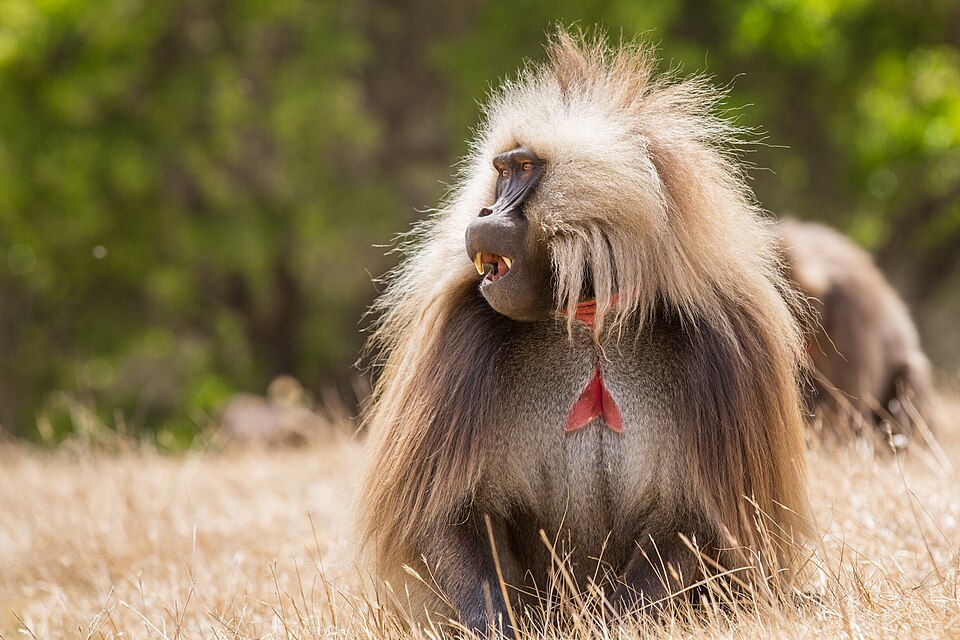
The Historic Route in the north links the stelae of Axum, the castles of Gondar, the island monasteries of Lake Tana and the extraordinary rock-hewn churches of Lalibela, still in daily use by pilgrims. Between them, the Simien Mountains offer trekking along vast escarpments where troops of gelada graze.
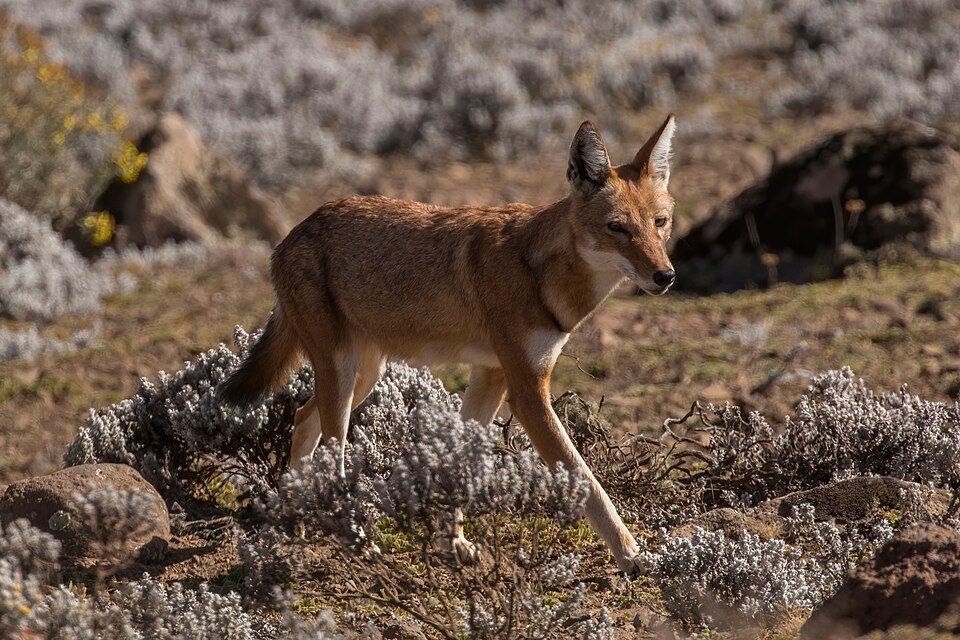
In the south, the Bale Mountains protect the world’s largest population of the rare Ethiopian wolf, and the Omo Valley is home to diverse pastoralist communities. For the adventurous, the Danakil Depression — one of the hottest places on Earth — has otherworldly salt flats, sulphur springs and an active lava lake.
Highlights
- The rock-hewn churches of Lalibela
- Trekking the Simien Mountains among gelada
- Castles of Gondar
- Monasteries of Lake Tana and the Blue Nile Falls
- Ethiopian wolves in the Bale Mountains
- The coffee ceremony, where it all began
Where to go in Ethiopia
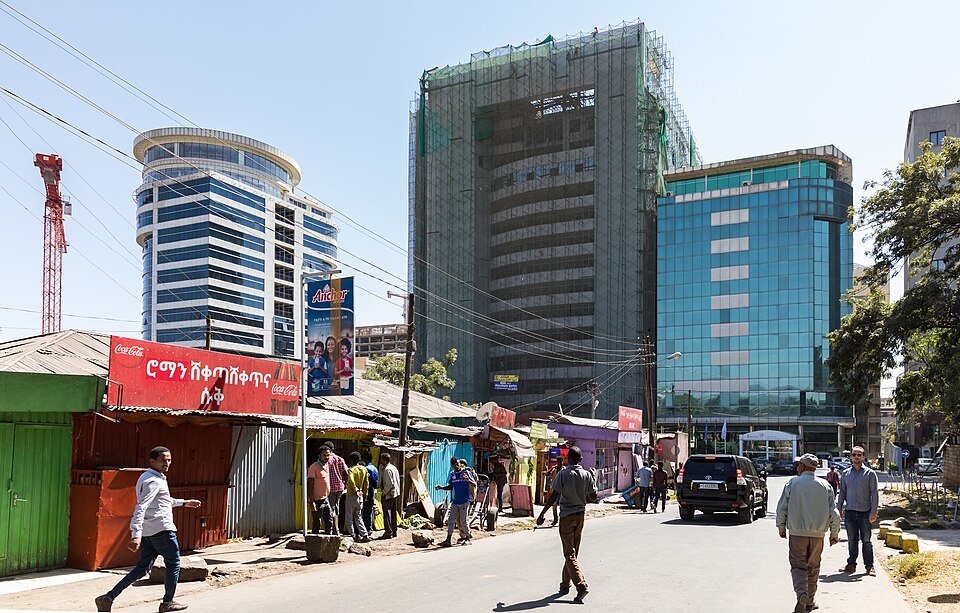
Addis Ababa
Africa's diplomatic capital and home of "Lucy". 6 safaris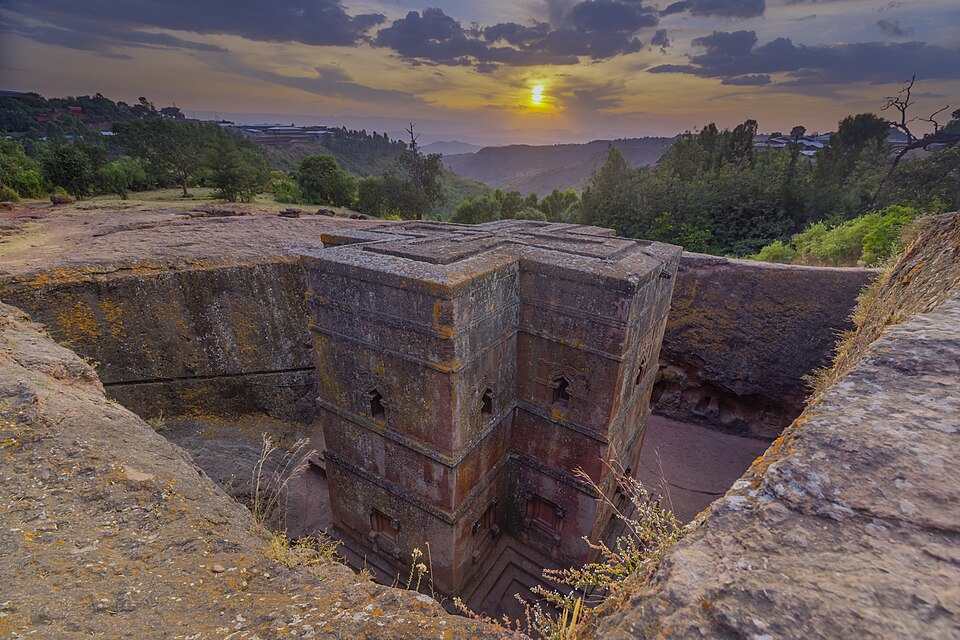
Lalibela
Eleven medieval churches carved from solid rock. 7 safaris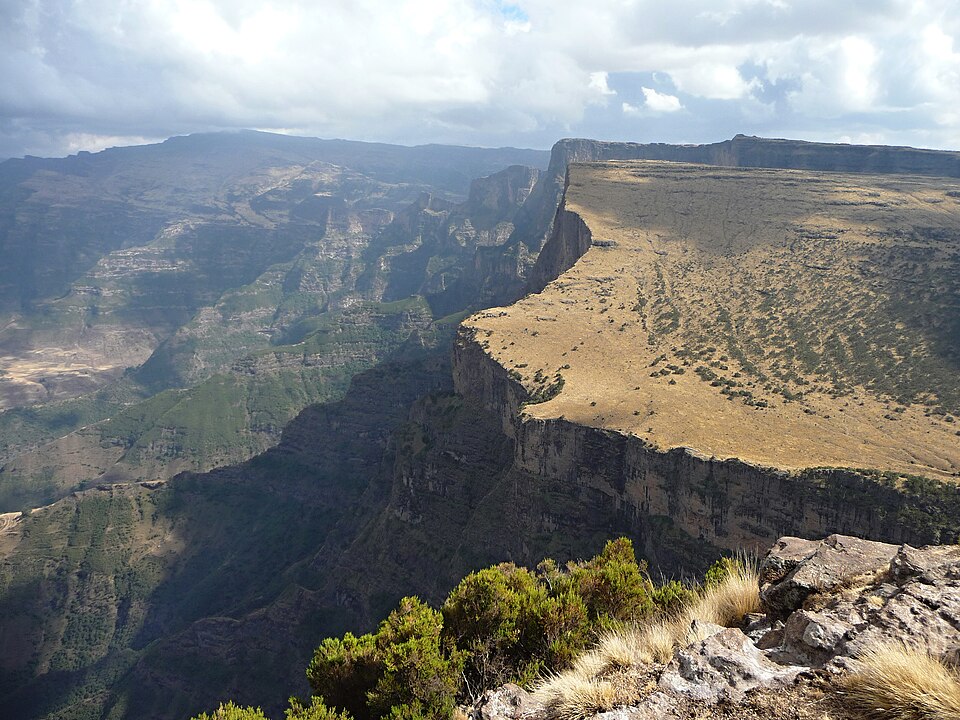
Simien Mountains
The "chess pieces of the gods" — cliffs, peaks and geladas. 5 safaris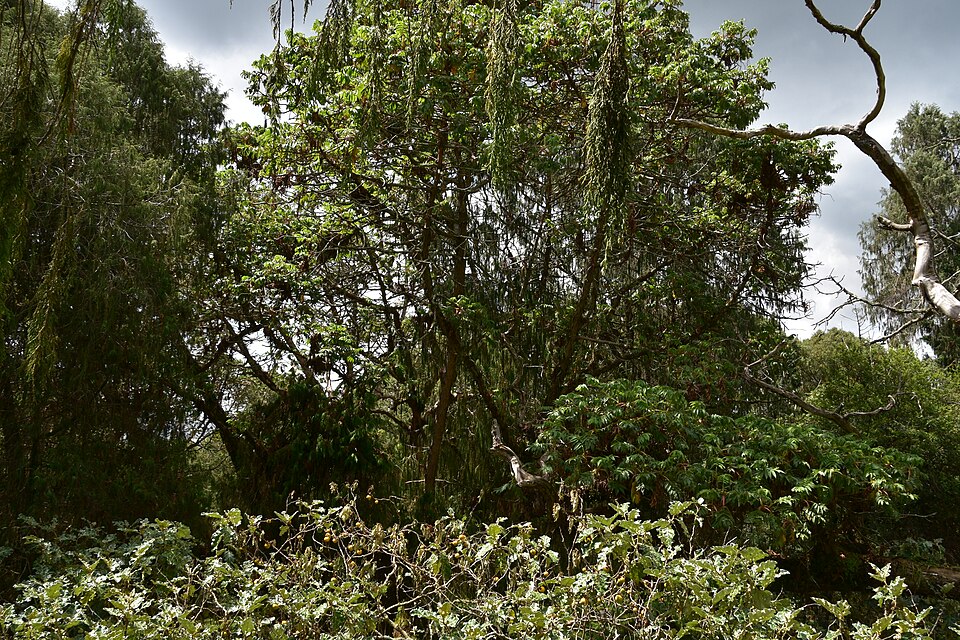
Bale Mountains
Afro-alpine plateau and the world's rarest canid. 1 safari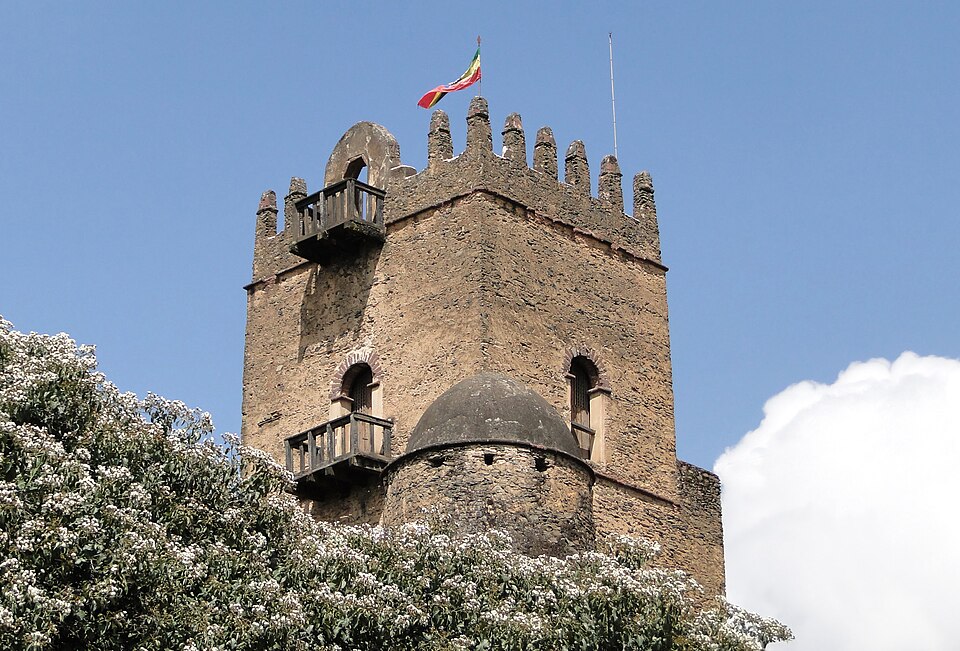
Gondar
The "Camelot of Africa" — castles of the Ethiopian emperors. 7 safaris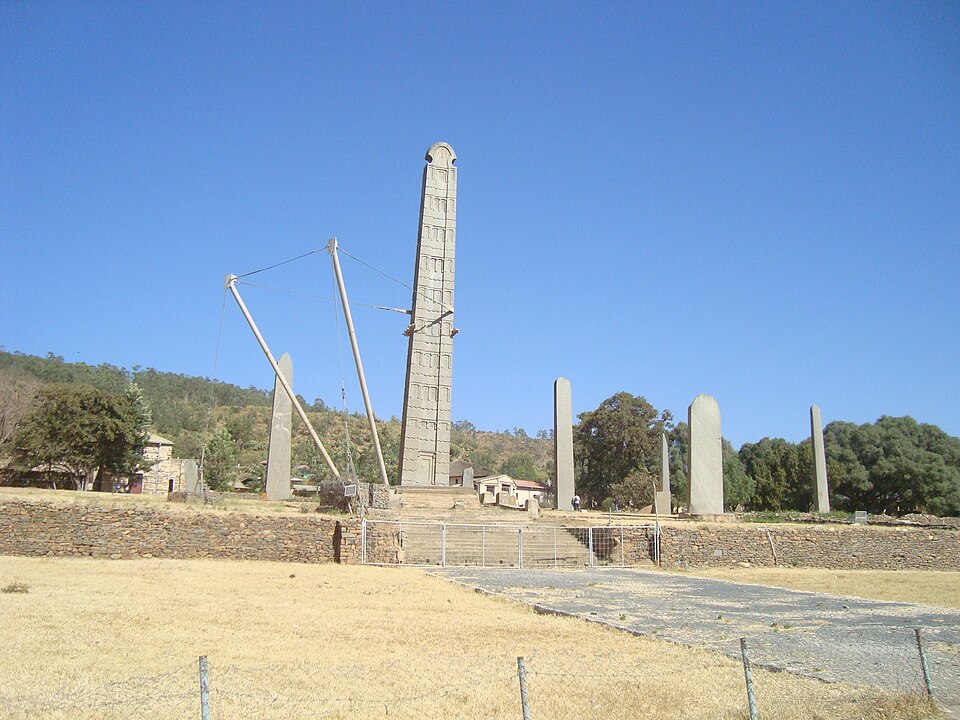
Axum
Ancient capital of the Aksumite kingdom and its giant stelae. 2 safaris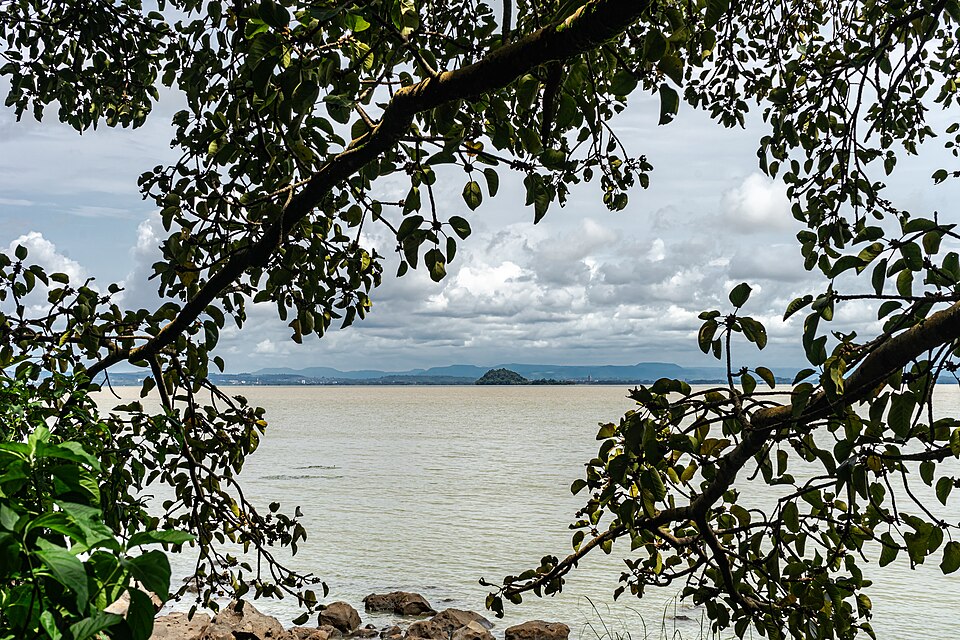
Lake Tana & Bahir Dar
Island monasteries and the source of the Blue Nile. 4 safaris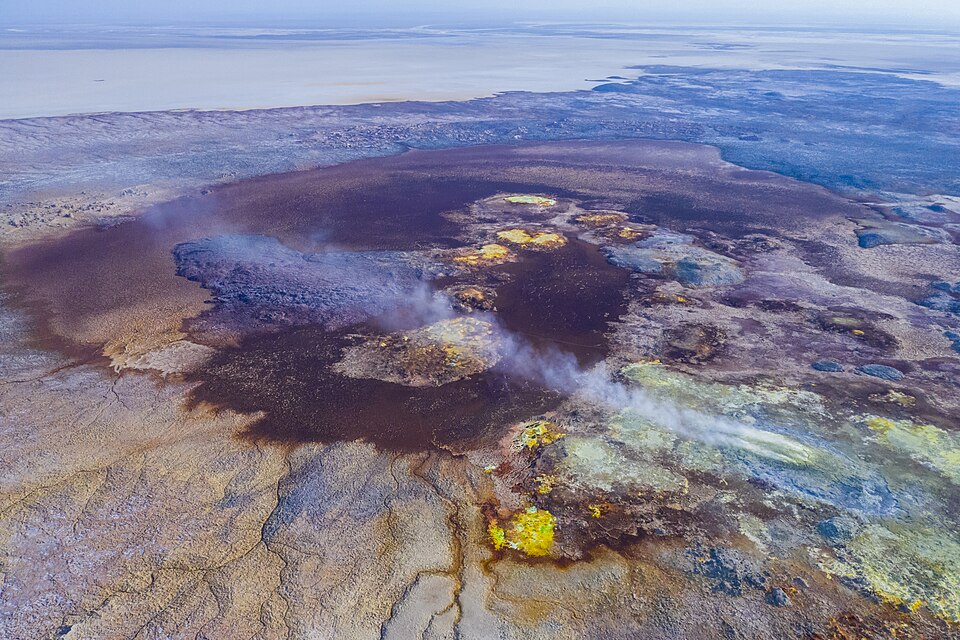
Danakil Depression
Salt flats, sulphur springs and a lava lake at the lowest point in Africa. 1 safari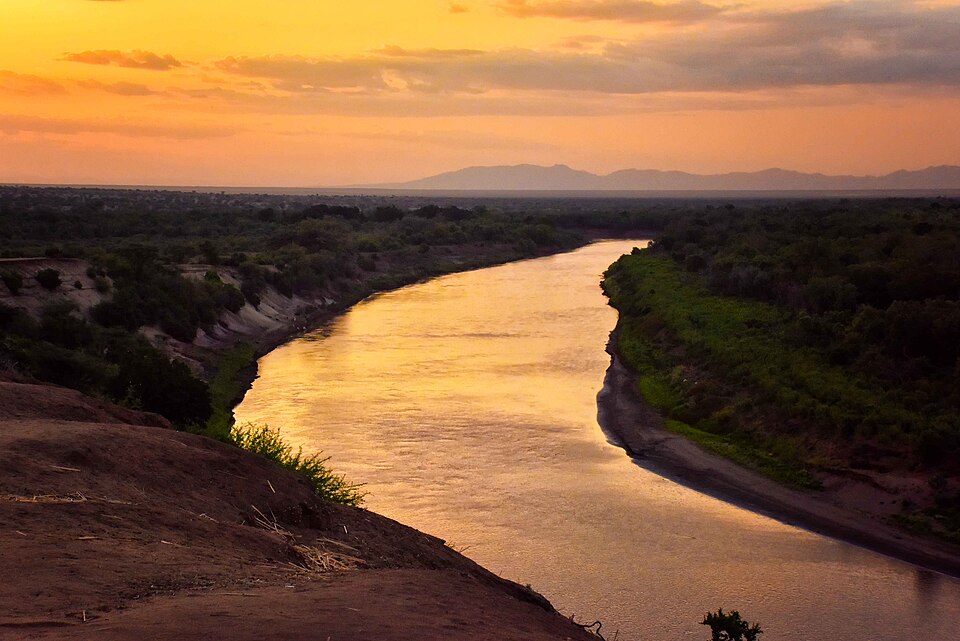
Omo Valley
Living cultures along southern Ethiopia's great river. 1 safariWildlife & what you'll see
- Gelada
- Ethiopian wolf
- Walia ibex
- Mountain nyala
- Lammergeier (bearded vulture)
- Around 18 endemic bird species
Things to do
- Historic and cultural tours
- Highland trekking
- Festival visits
- Boat trips to island monasteries
- Coffee ceremonies
- Volcano and salt-flat expeditions
Best time to visit
October to March is the dry season and the best time for travel, with green landscapes after the rains. Festivals such as Meskel (late September) and Timkat (January) are spectacular. The main rains fall from June to September, when some trekking routes are harder.
Getting there
Ethiopian Airlines flies to Addis Ababa from across the world, and its domestic network connects Addis with Lalibela, Gondar, Axum, Bahir Dar, Mekele, Jinka and Robe, making the Historic Route easy to explore by air.
Experiences in Ethiopia
FAQs about Ethiopia
Is Ethiopia a safari destination?
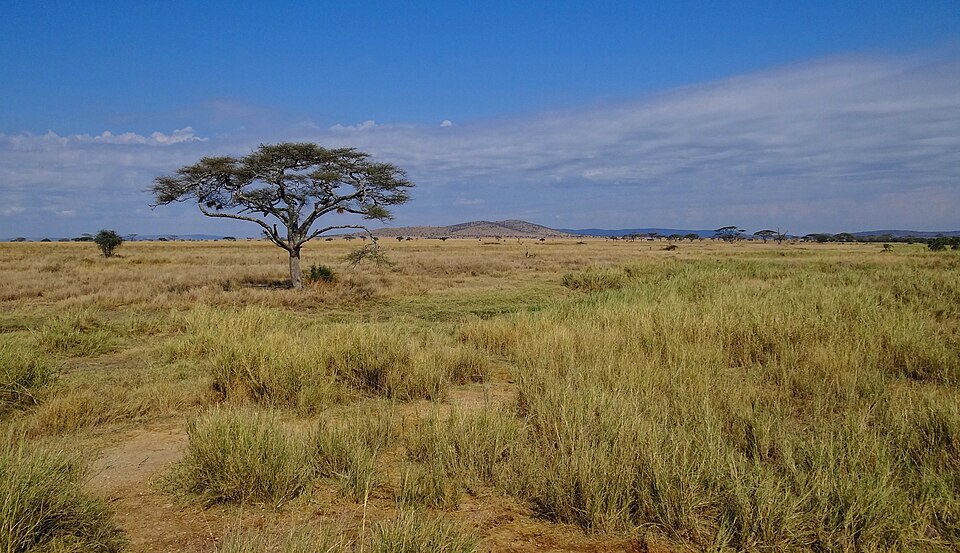
Ethiopia is primarily a cultural and trekking destination rather than a Big Five safari country, but its endemic wildlife — gelada, Ethiopian wolf, walia ibex — is unique. It combines beautifully with a Kenya safari.
What should I wear to visit churches?
Dress modestly: covered shoulders and knees, and a scarf for women. Shoes are removed inside churches, so bring socks.
Is it easy to travel between sites?
Yes. Ethiopian Airlines' domestic flights link the main historic sites, turning long drives into one-hour flights.
Gallery
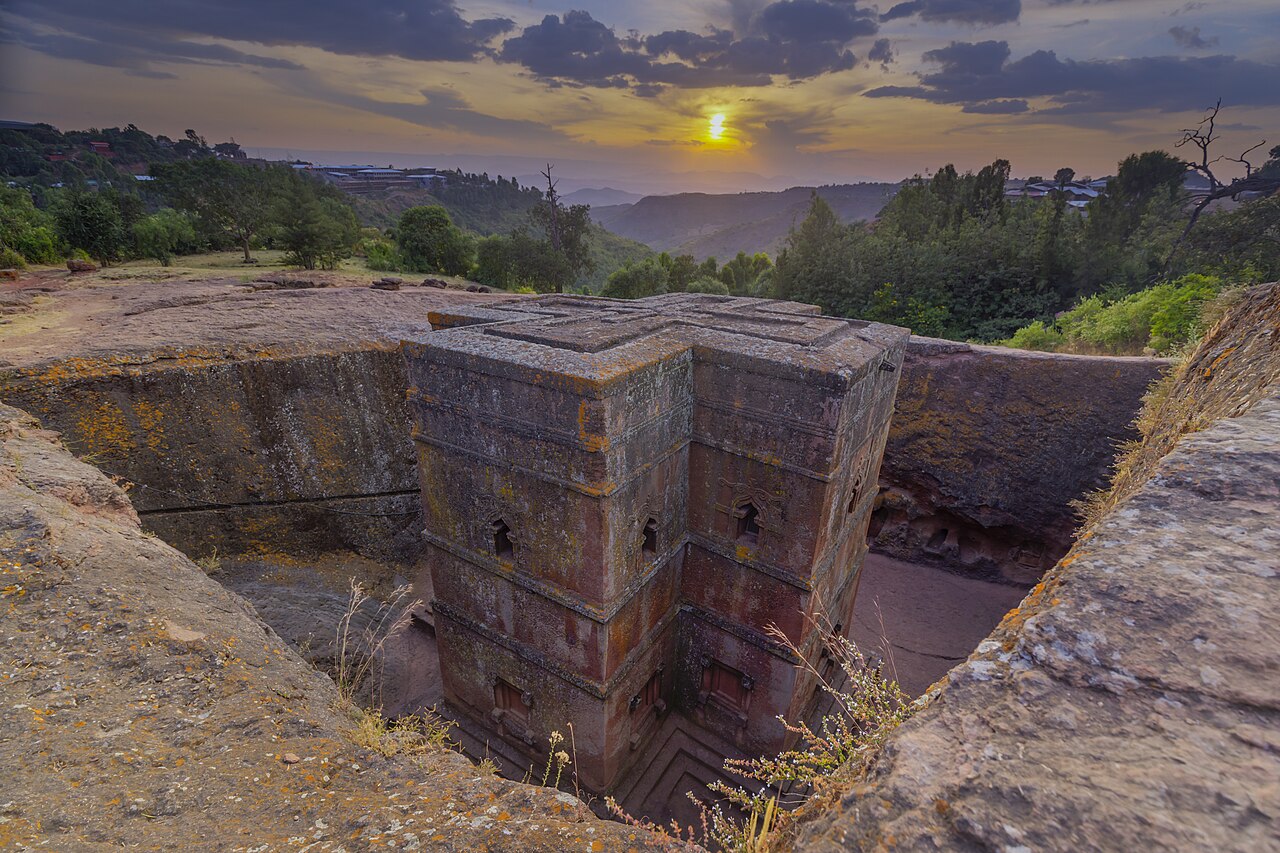 Open image: Rock-hewn Church of Saint George (Bete Giyorgis), Lalibela
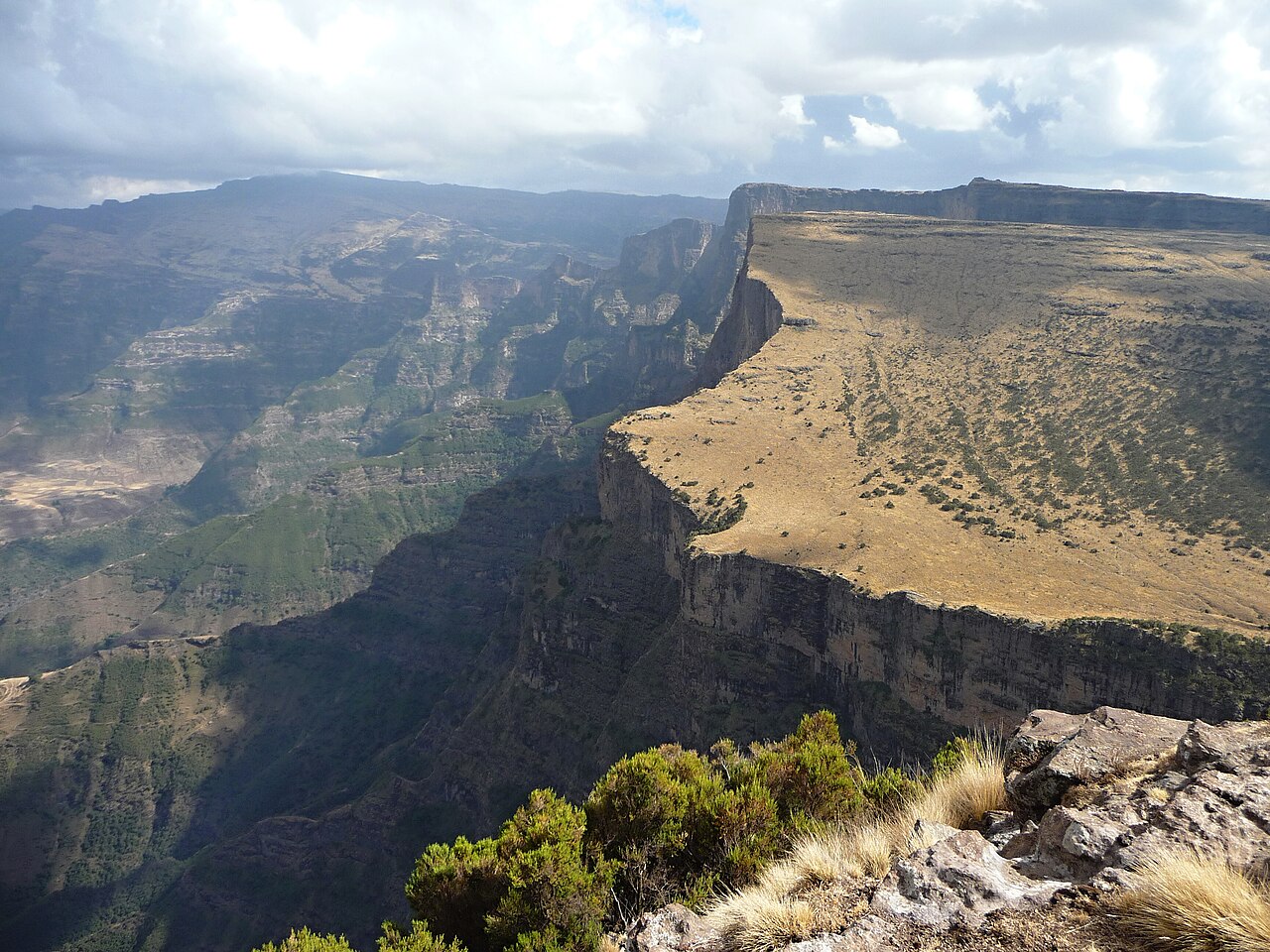 Open image: Escarpments of the Simien Mountains, Ethiopia
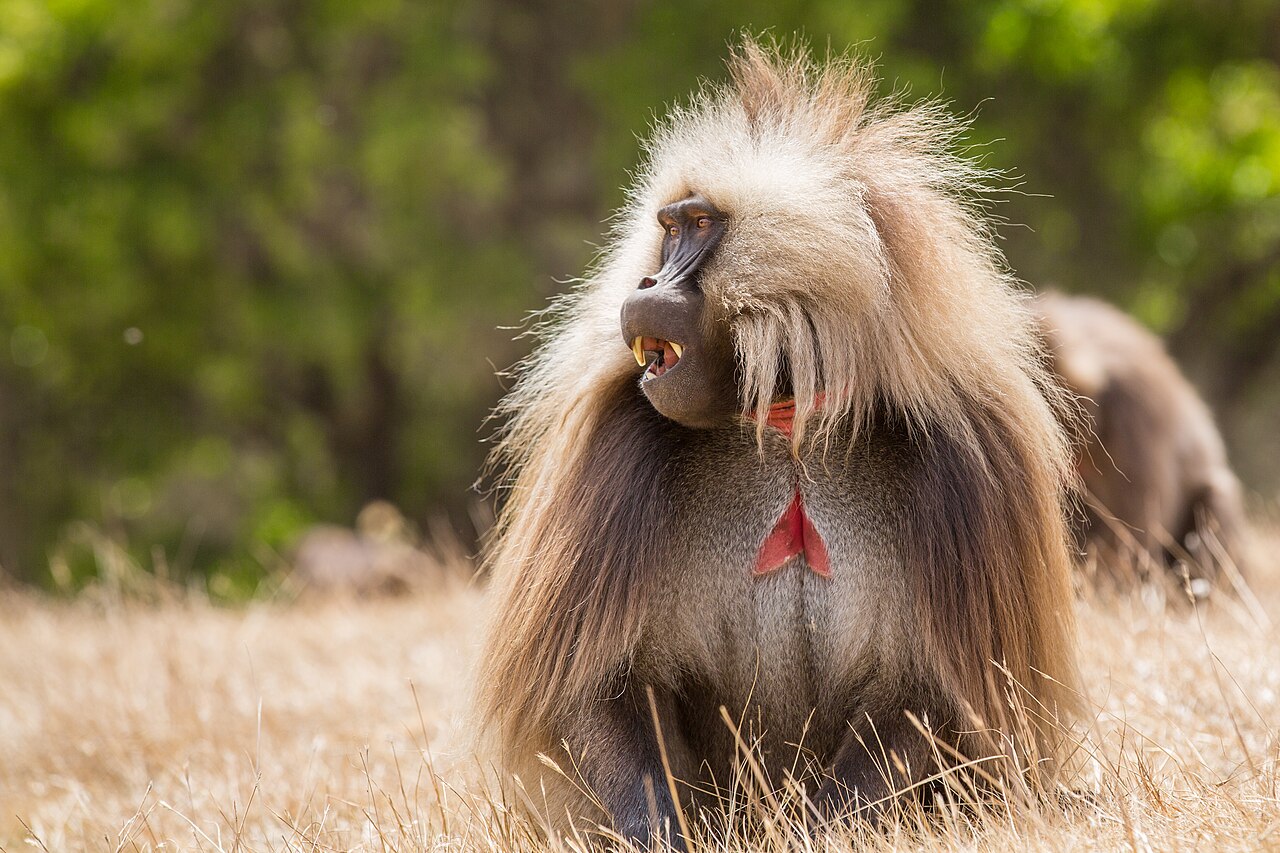 Open image: Male gelada in the Simien Mountains
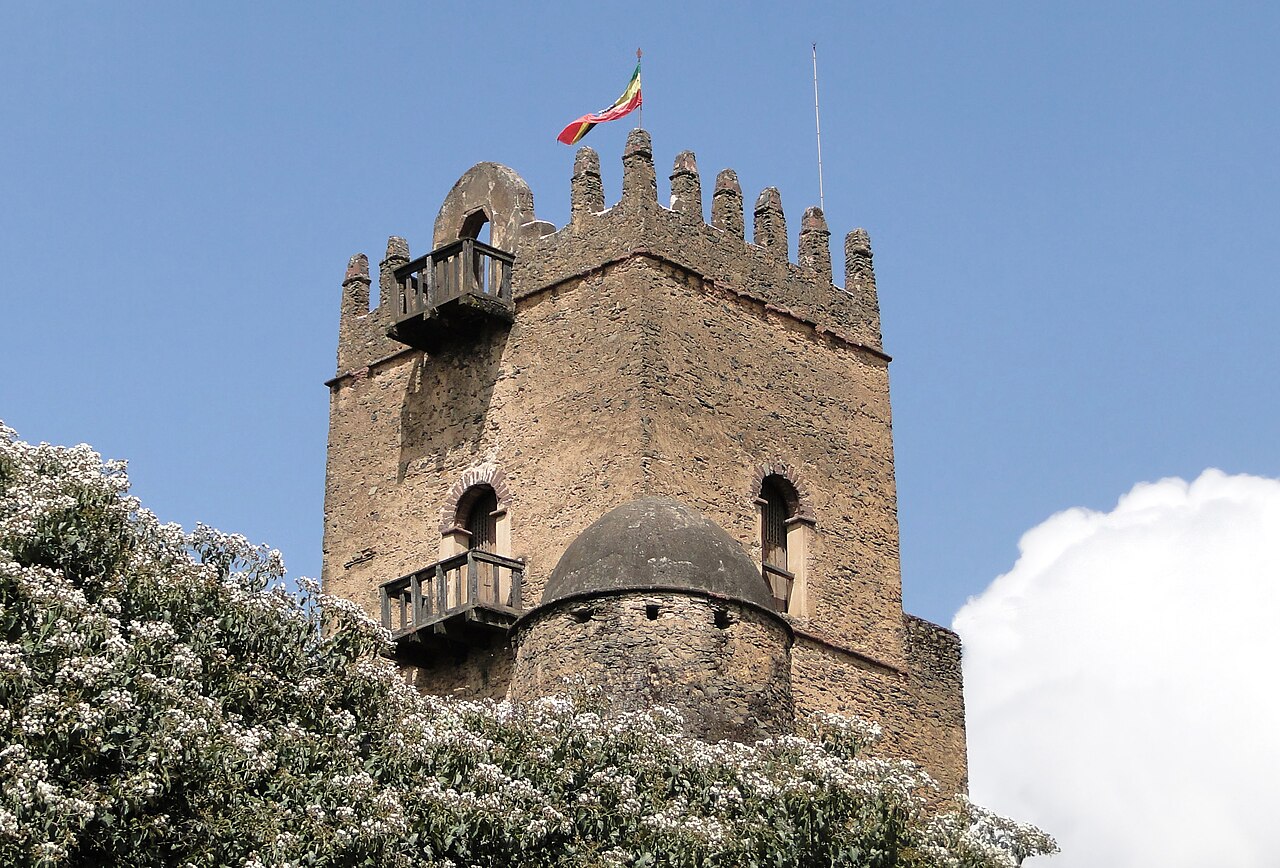 Open image: Fasilides Palace in the Fasil Ghebbi royal enclosure, Gondar
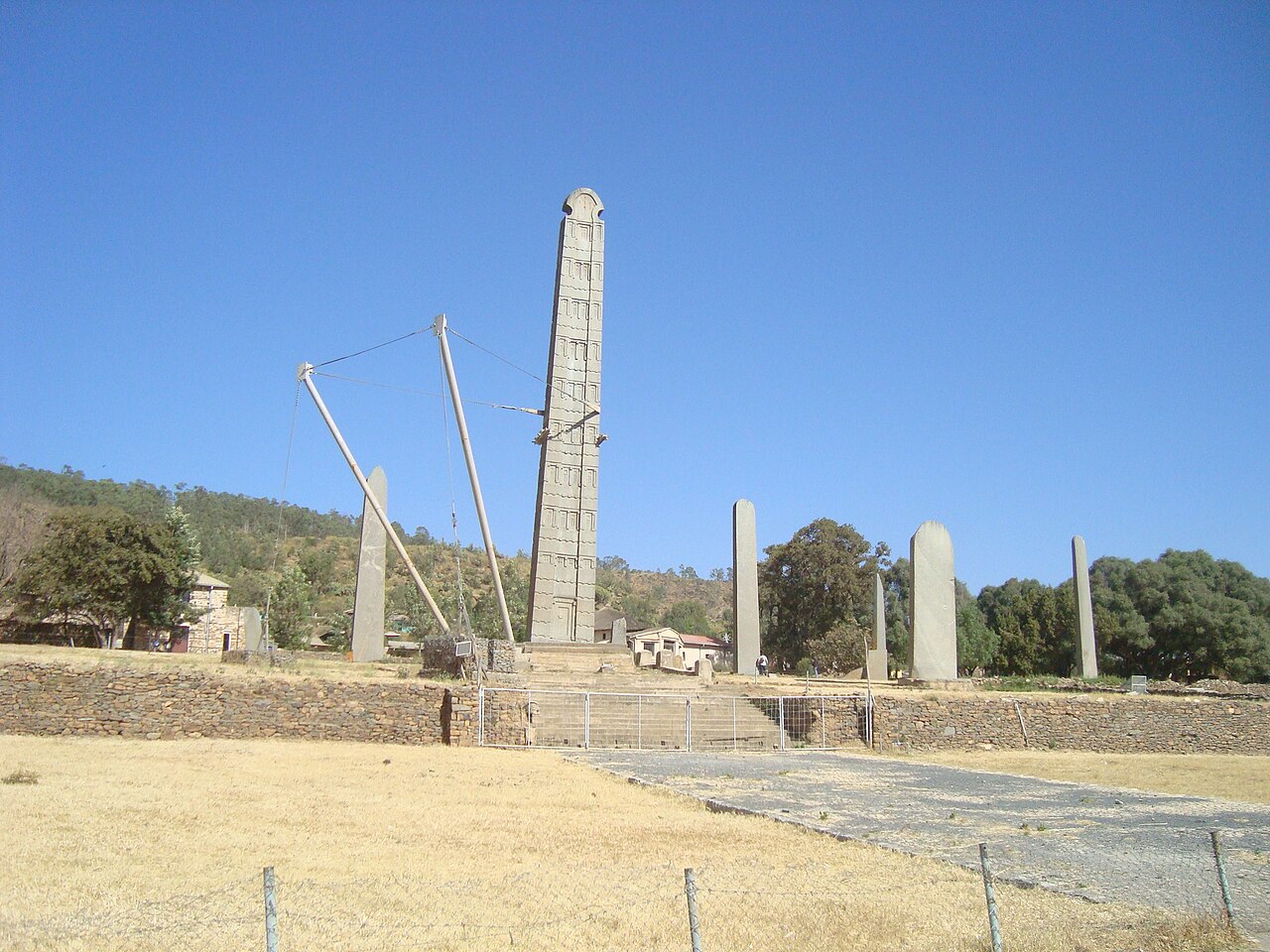 Open image: The main stelae field at Axum
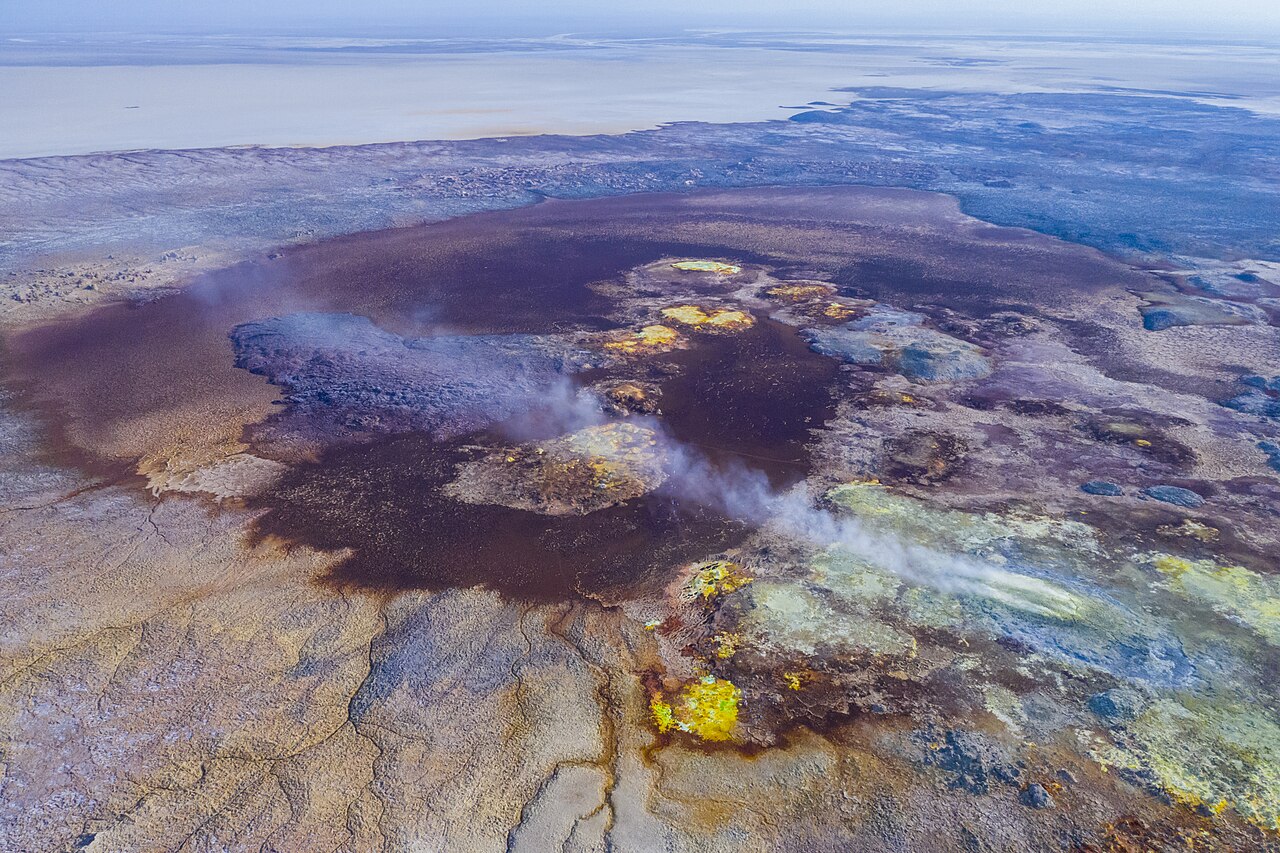 Open image: Hydrothermal colours of Dallol in the Danakil Depression
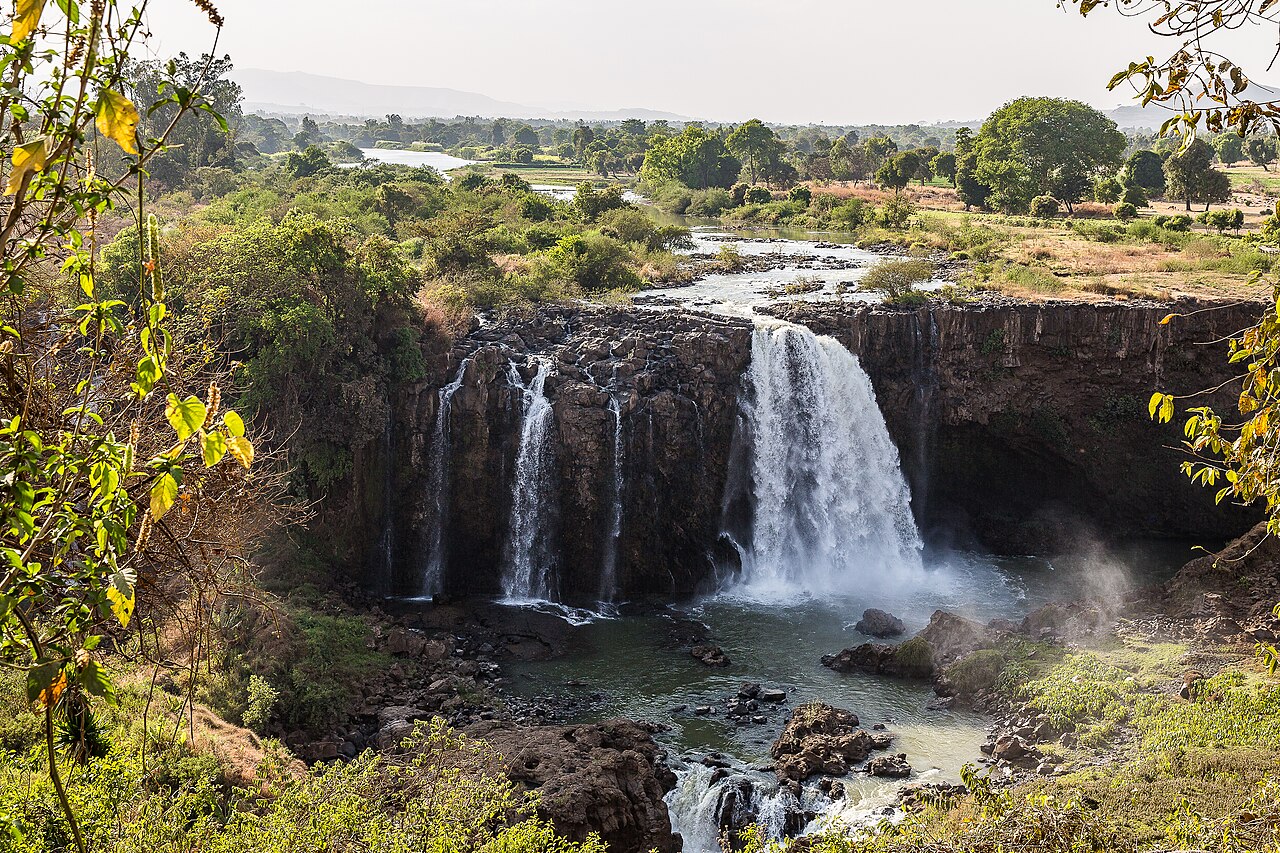 Open image: Blue Nile Falls (Tis Abay), Ethiopia