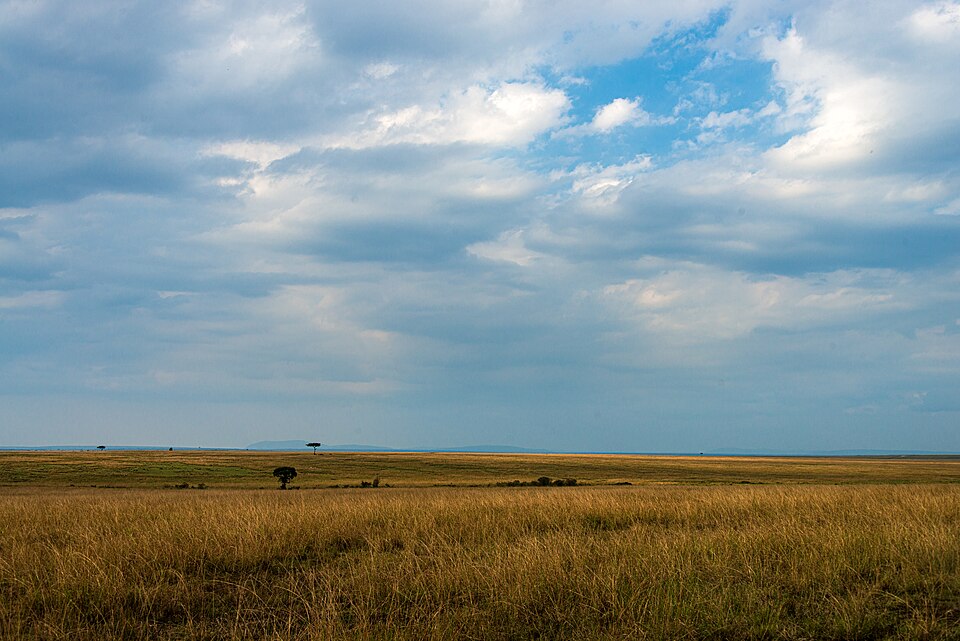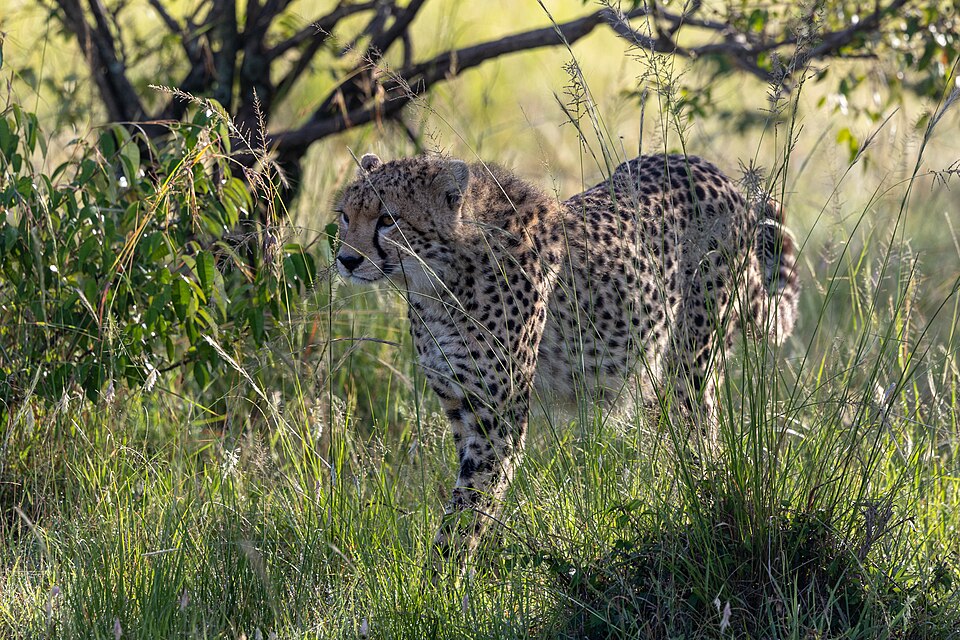
The Maasai Mara National Reserve covers around 1,500 km² of rolling savanna in south-western Kenya, bordered by a ring of private conservancies that roughly double the protected area. Together with Tanzania’s Serengeti, it forms one of the richest wildlife ecosystems on Earth, and its density of lion, cheetah and leopard is legendary.
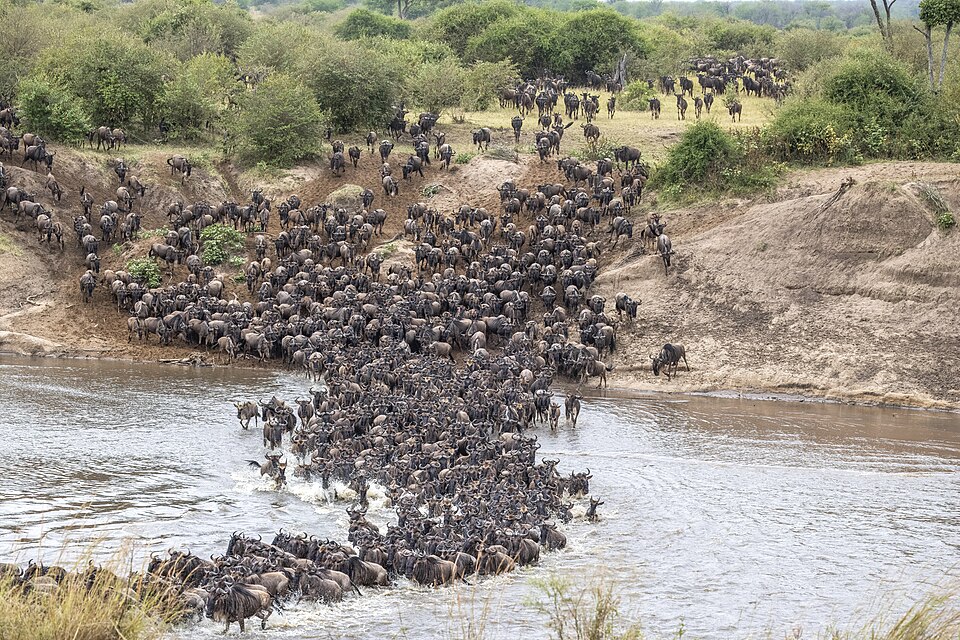
Between roughly July and October the reserve hosts the northern leg of the Great Migration, when hundreds of thousands of wildebeest and zebra arrive from the Serengeti. Crossings of the Mara and Talek rivers are unpredictable and depend on rainfall, but a patient day at the river with a picnic lunch is one of the great safari experiences.
Outside migration season the Mara is still superb: resident herds, predators and far fewer vehicles. Staying in a conservancy adds walking safaris, night drives and a limit on vehicles at each sighting, and visits to Maasai communities give an insight into the people who have shared this land with wildlife for generations.
Highlights
- Mara River wildebeest crossings
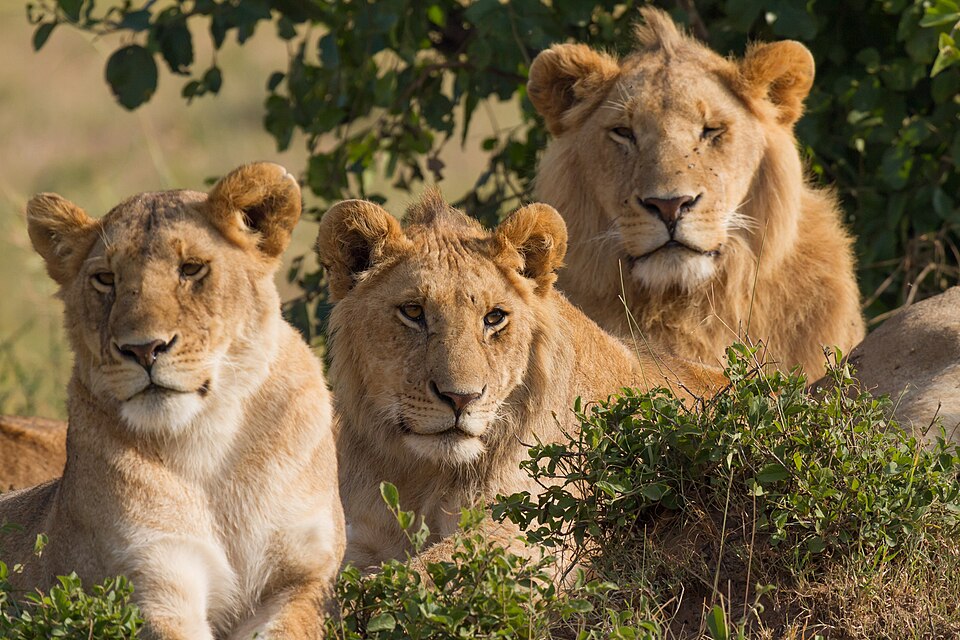
- Excellent lion, cheetah and leopard sightings
- Sunrise hot-air balloon flight with bush breakfast
- Walking and night drives in private conservancies
- Visiting a Maasai manyatta
Wildlife & what you'll see
- Lion prides of the Marsh and Talek areas
- Cheetah and leopard
- Wildebeest, zebra, topi and eland
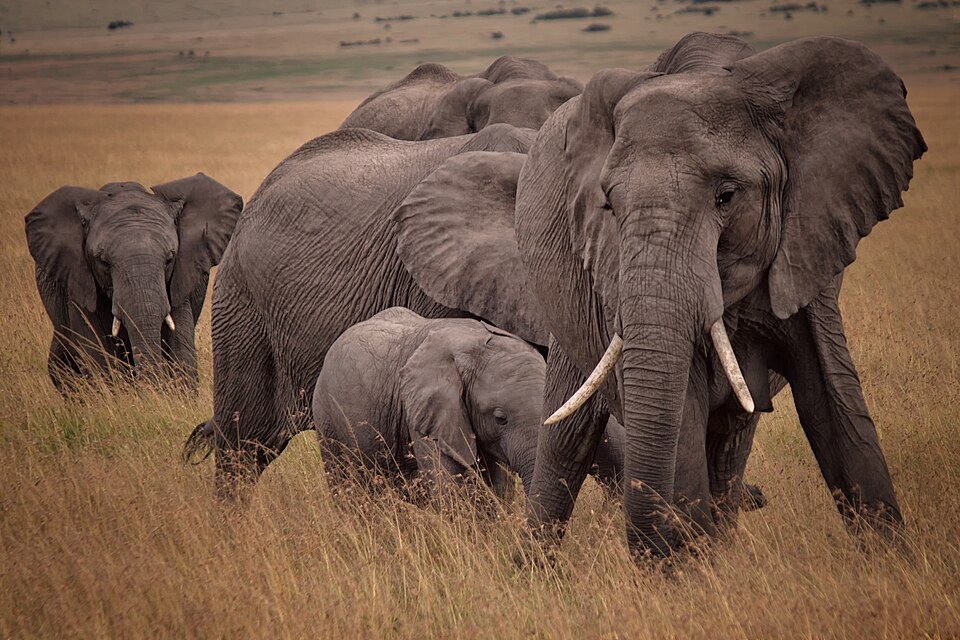
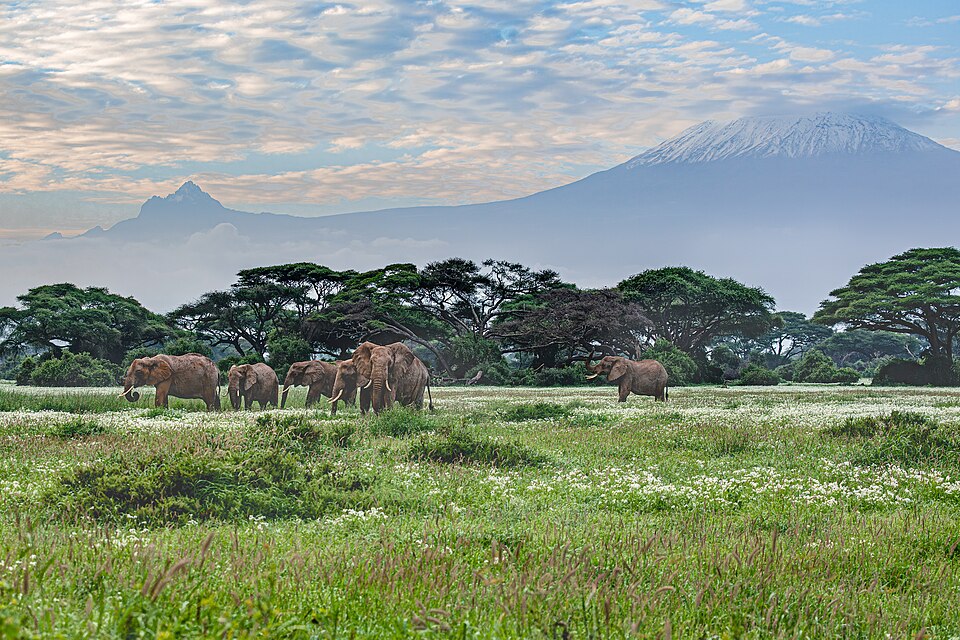
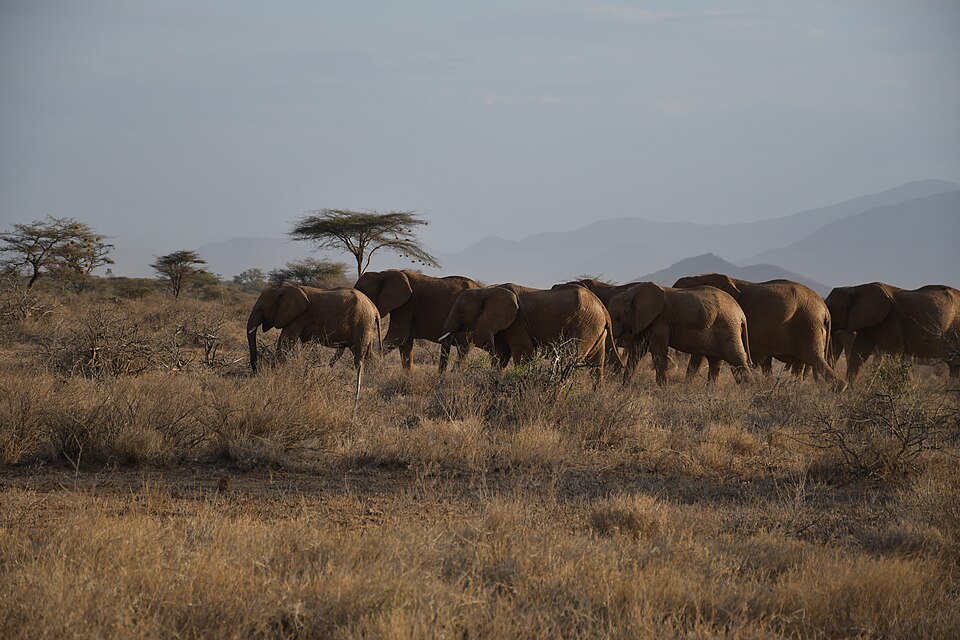
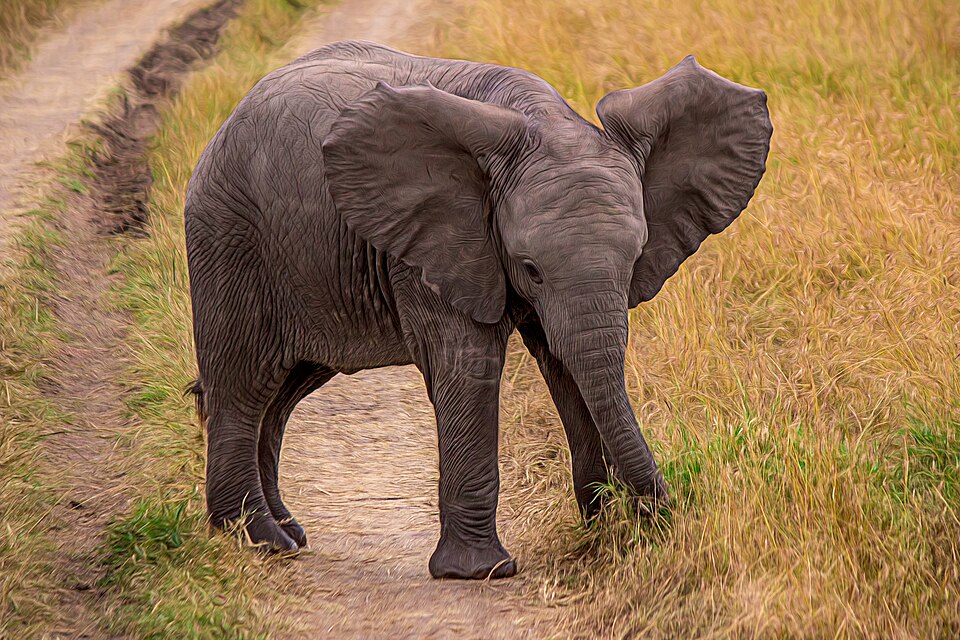
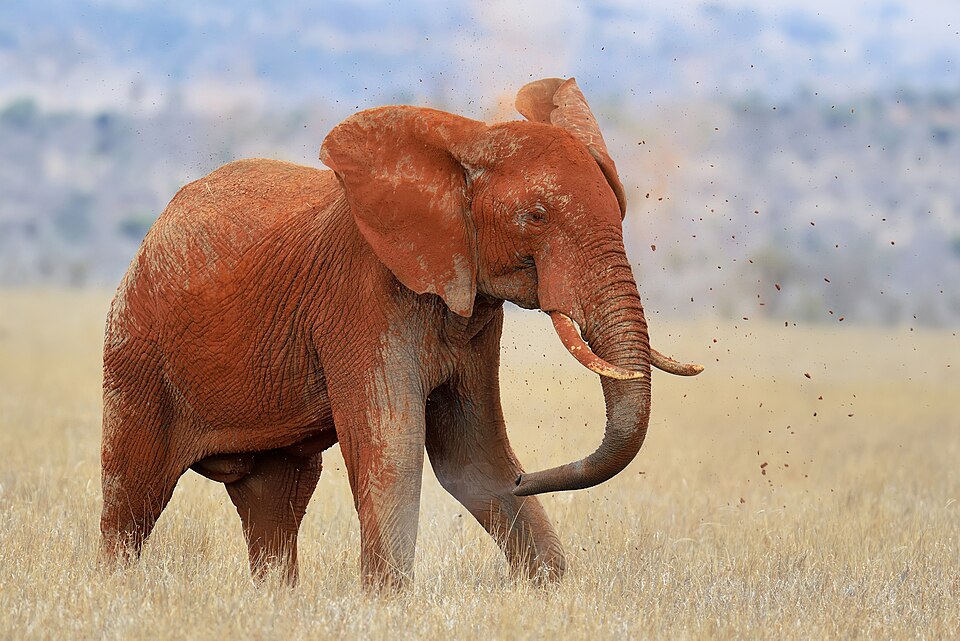
- Elephant and buffalo
- Hippo and crocodile in the Mara River
- Secretary birds, vultures and ground hornbills
Things to do
- Morning, afternoon and full-day game drives
- Hot-air balloon safari
- Picnic lunch at the Mara River
- Guided bush walks (conservancies)
- Maasai cultural visit
Best time to visit
July to October for the Great Migration and river crossings; January to March for dry, quieter game viewing with good predator action. April and May are wetter but green, peaceful and good value.
Getting there
Drive from Nairobi via the Great Rift Valley escarpment (about 5–6 hours), or fly from Wilson Airport to one of several airstrips inside and around the reserve (about 45 minutes).
Experiences in Maasai Mara
FAQs about Maasai Mara
When can I see a river crossing?
Crossings most often happen between late July and early October, but the herds move with the rain, so no date can be guaranteed. Spending at least three nights in the Mara gives you the best chance.
Is a balloon safari worth it?
For many guests it is the highlight of the trip: an hour drifting over the plains at sunrise followed by a champagne bush breakfast. It is an optional extra, currently from around USD 450 per person.
Reserve or conservancy?
The main reserve has the famous river crossing points. Conservancies limit vehicle numbers and allow walking and night drives. Many of our itineraries combine both.
Gallery
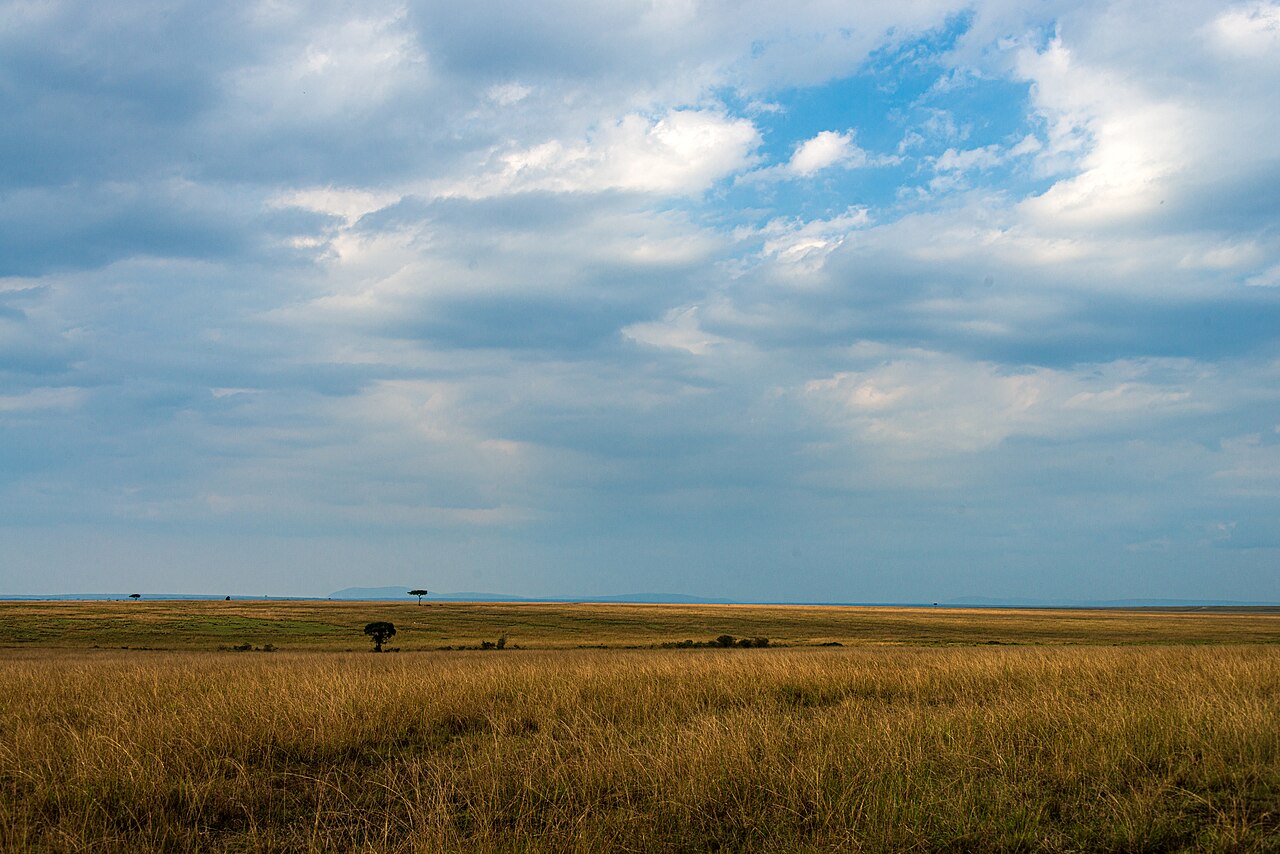 Open image: Open savanna of the Maasai Mara National Reserve, Kenya
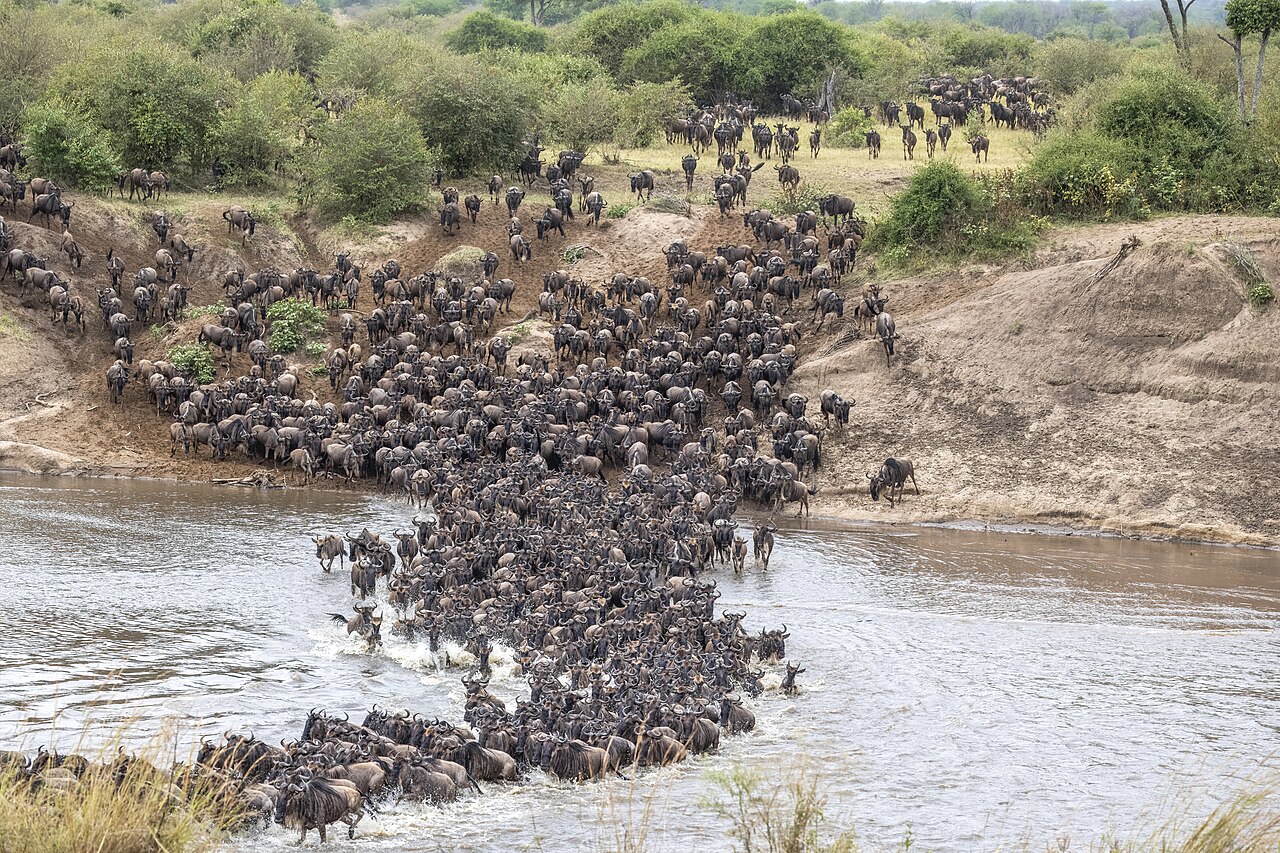 Open image: Wildebeest crossing the Mara River during the Great Migration
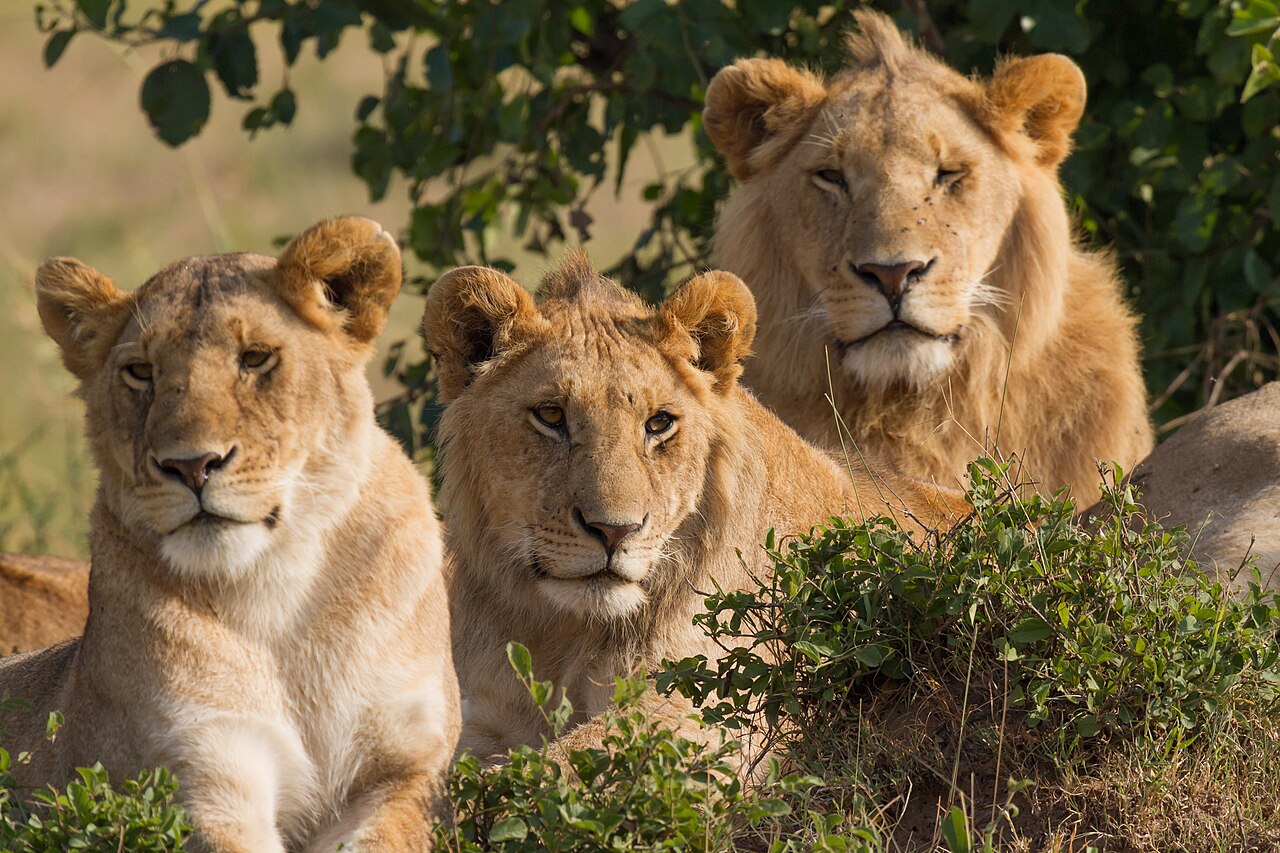 Open image: Lion pride resting in the Maasai Mara
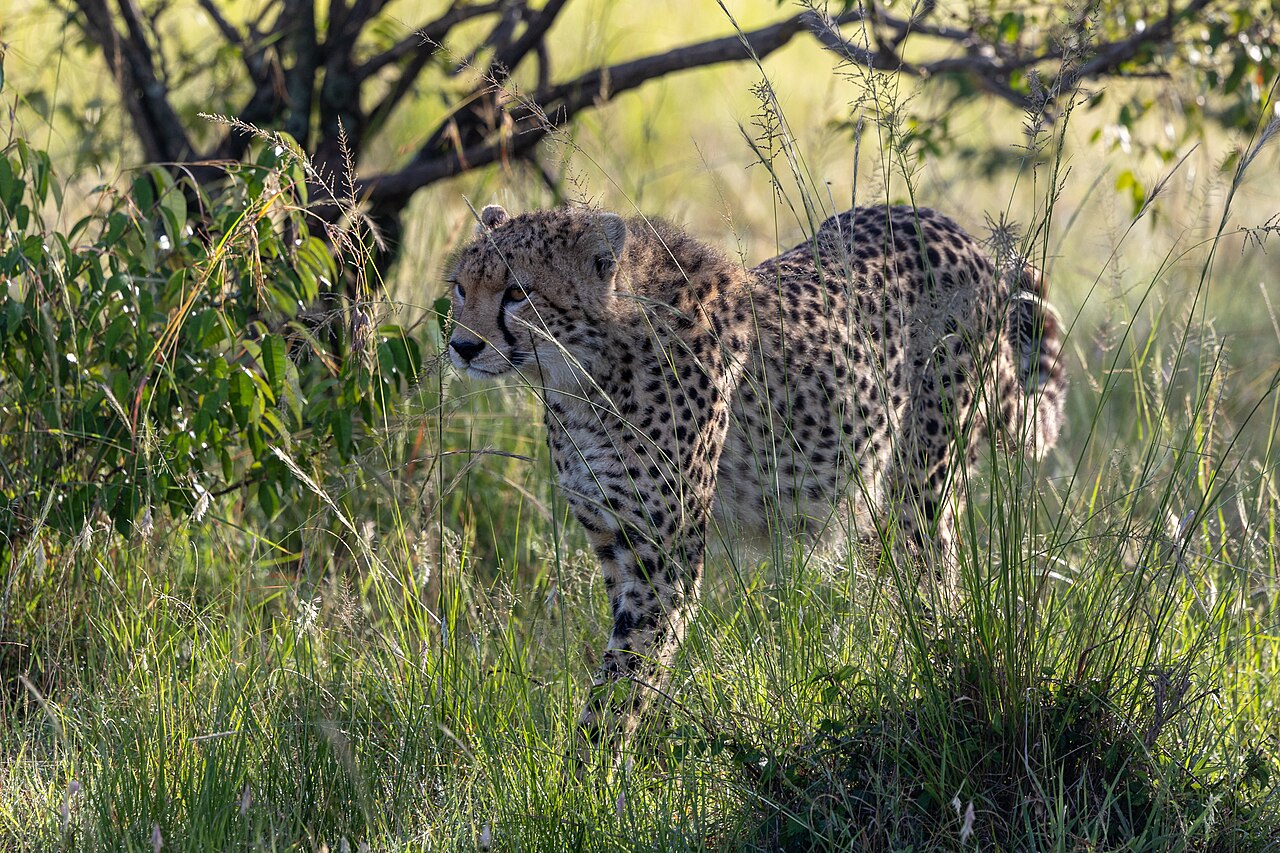 Open image: Cheetah in the Maasai Mara
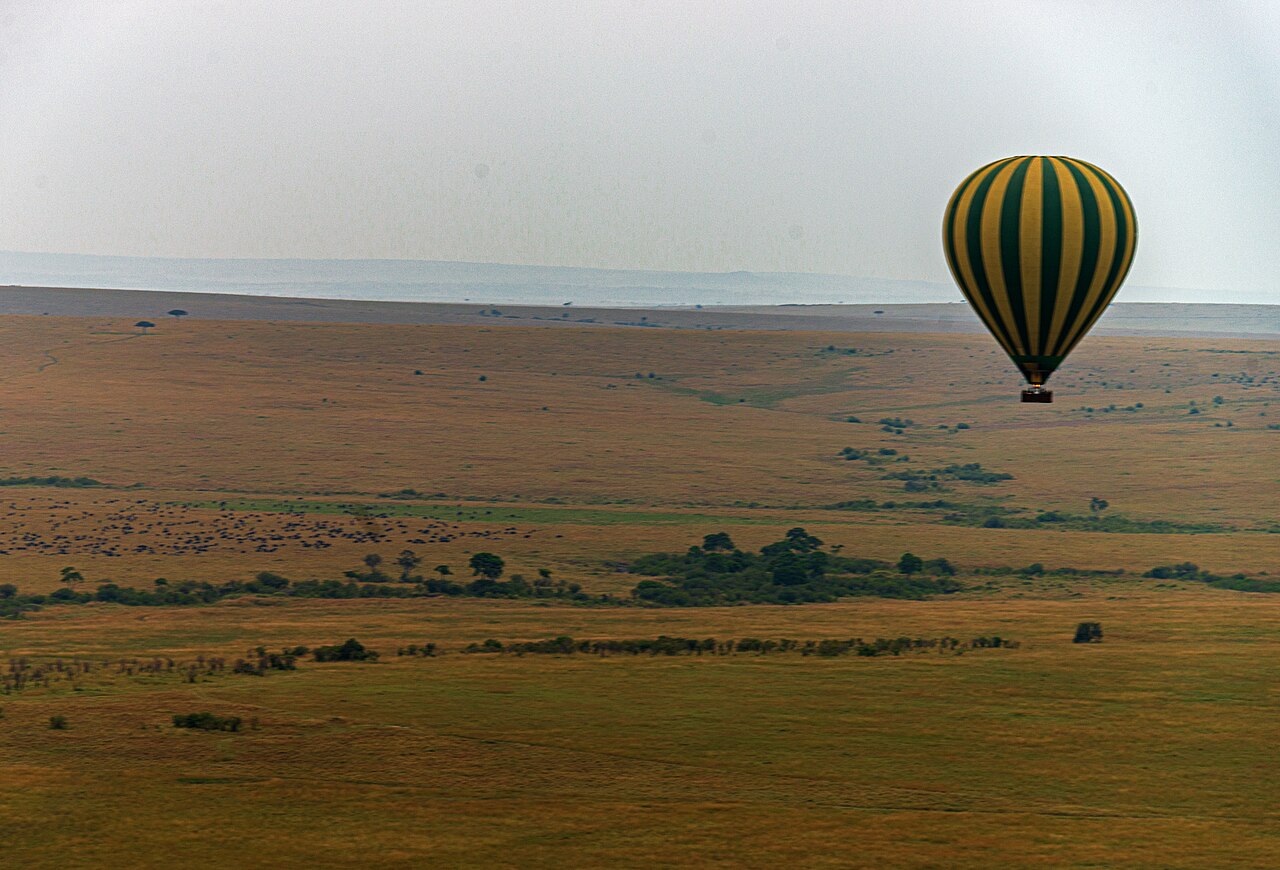 Open image: Hot-air balloon drifting over the Maasai Mara at dawn
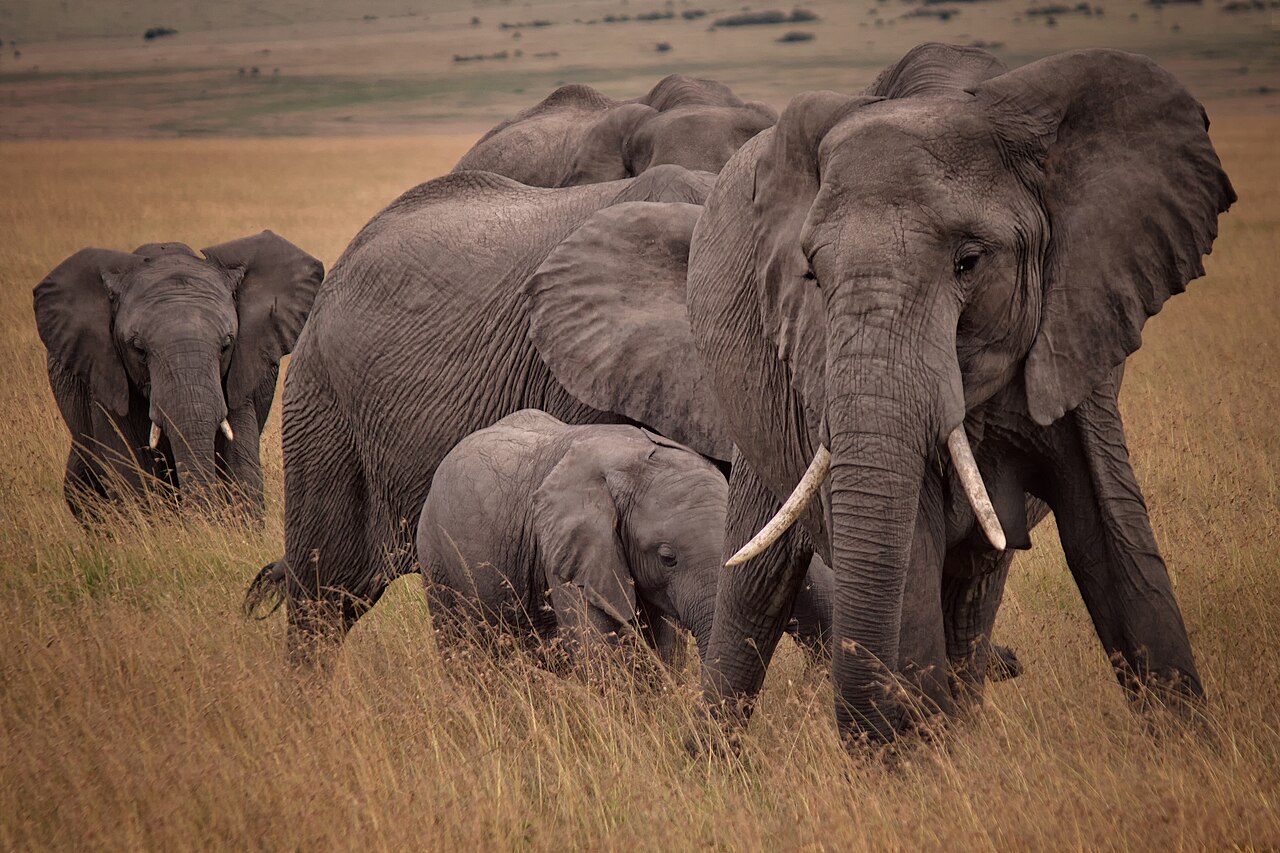 Open image: African elephants in the Maasai Mara
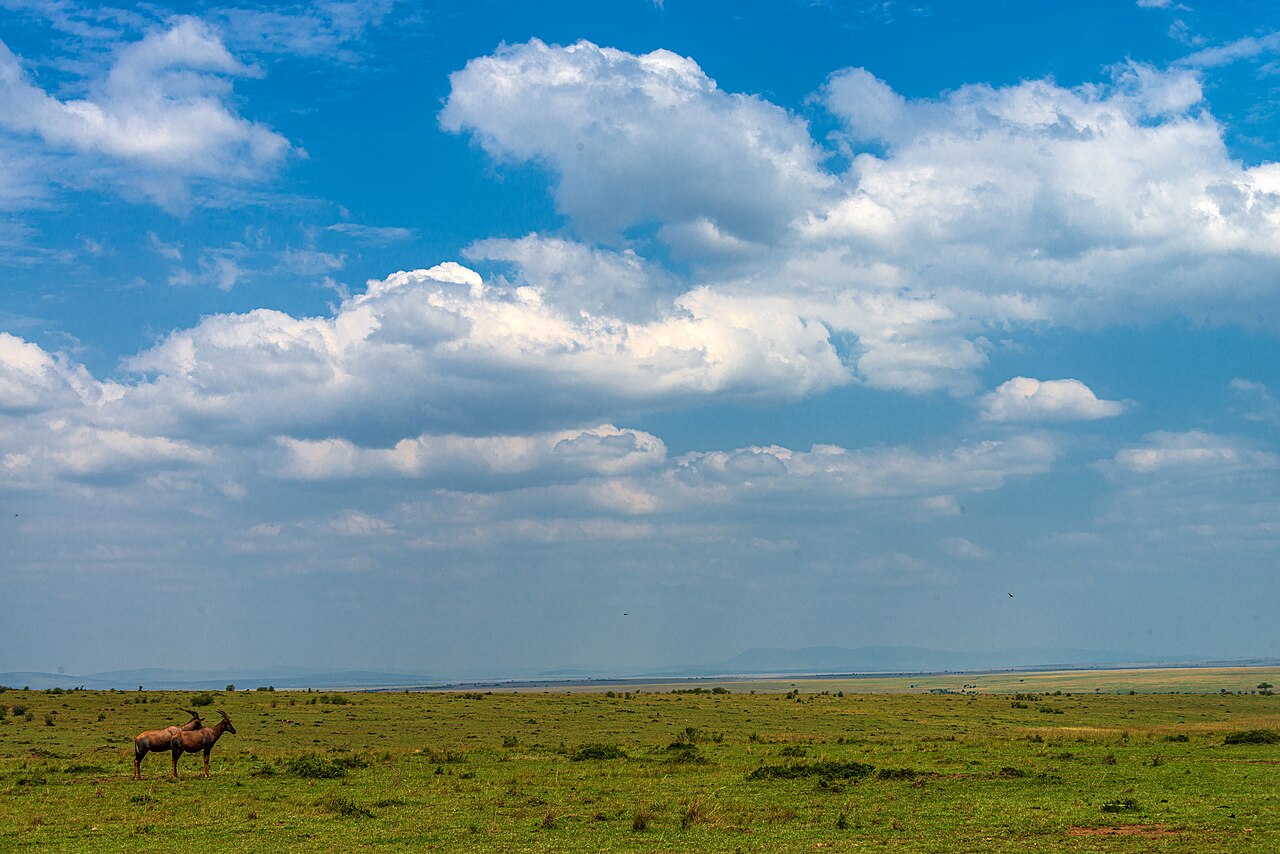 Open image: Eland on the Maasai Mara savanna