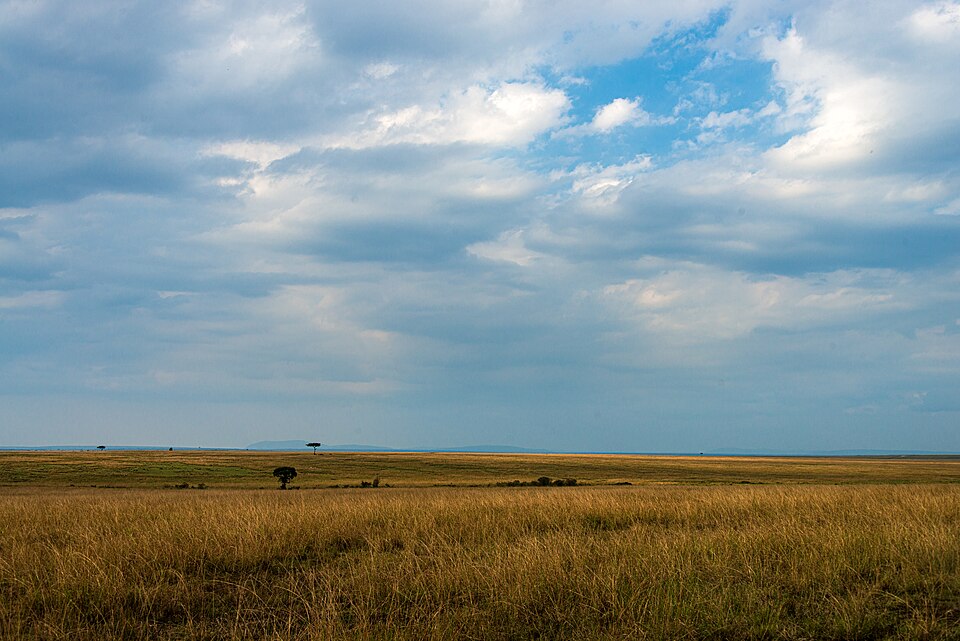
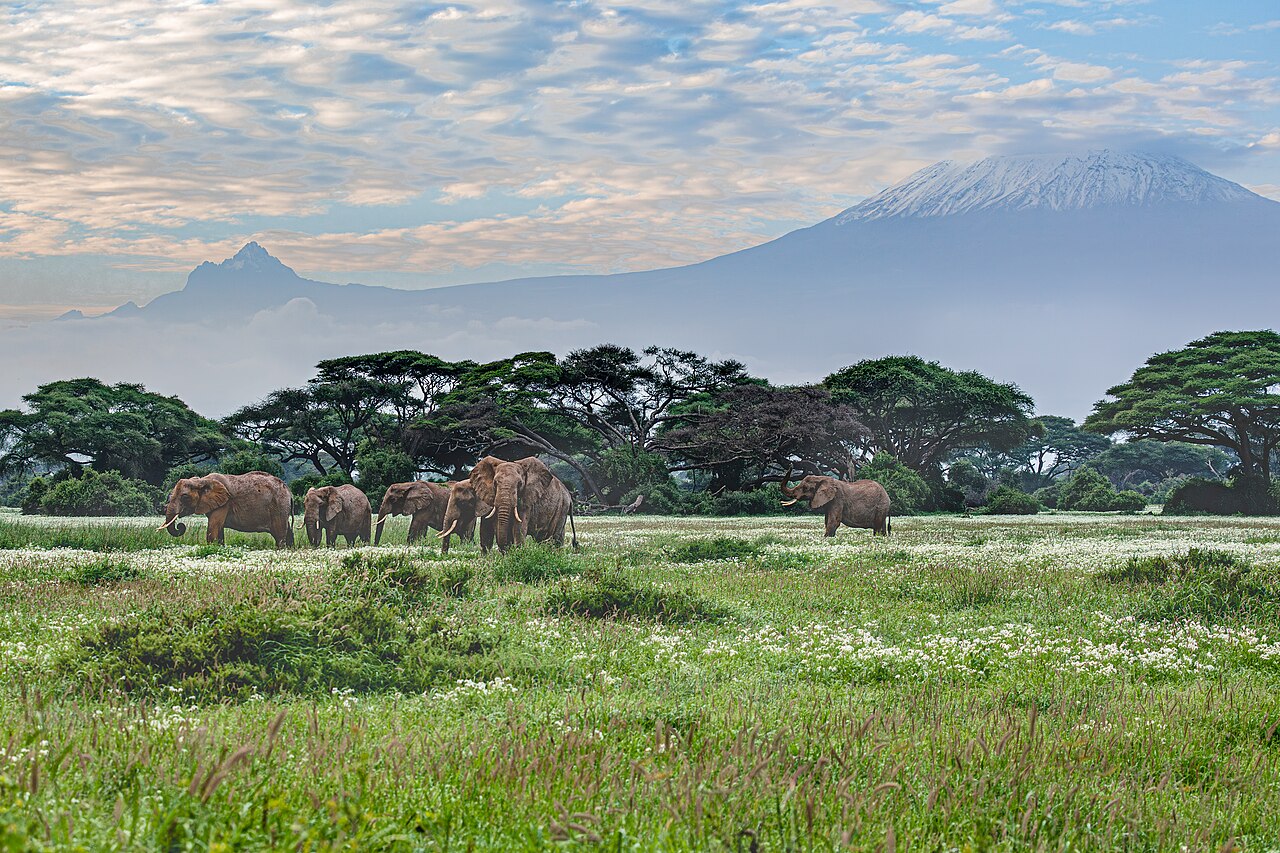
Amboseli National Park lies at the foot of Mount Kilimanjaro on the Kenya–Tanzania border. Although the park is relatively small, underground streams from the mountain feed permanent swamps that keep the area green through the dry season and attract large herds of elephant, buffalo, zebra and wildebeest.
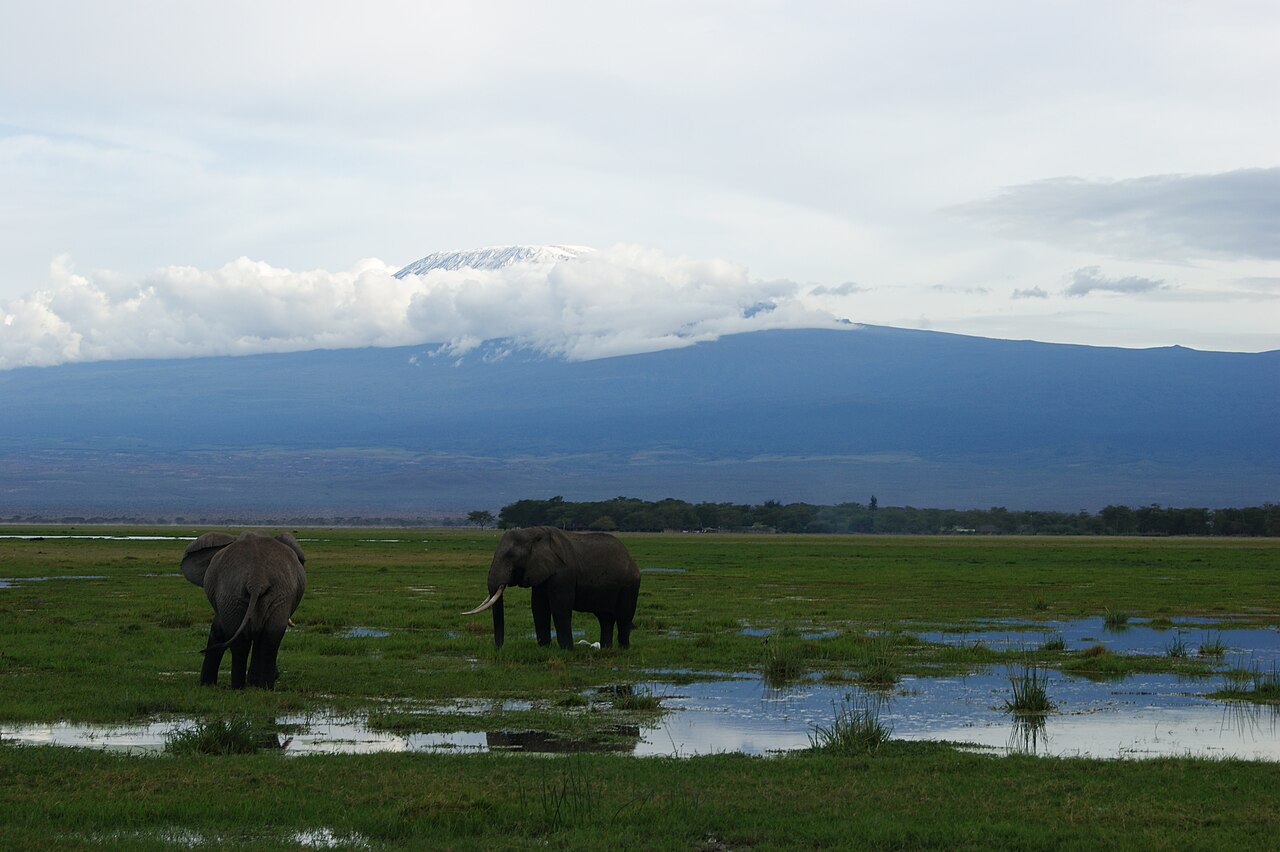
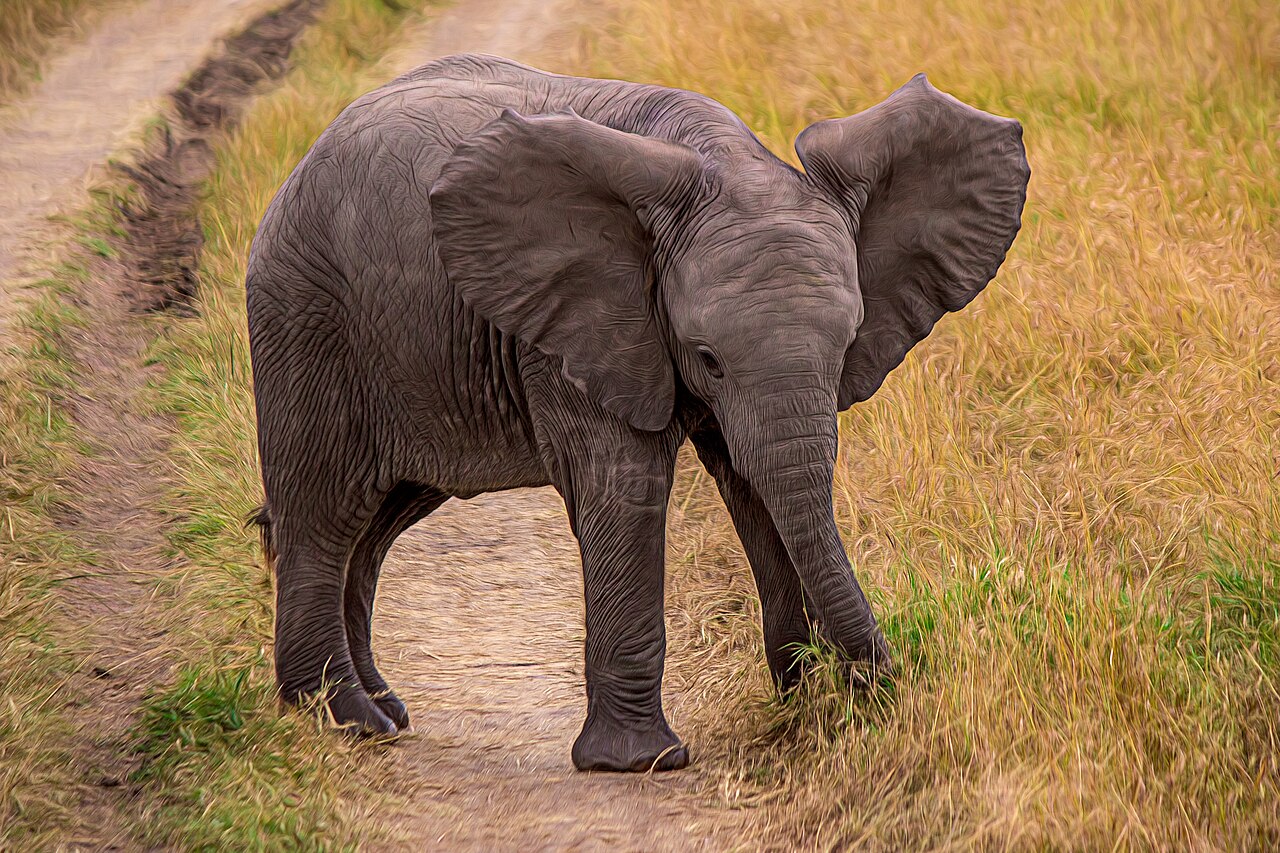
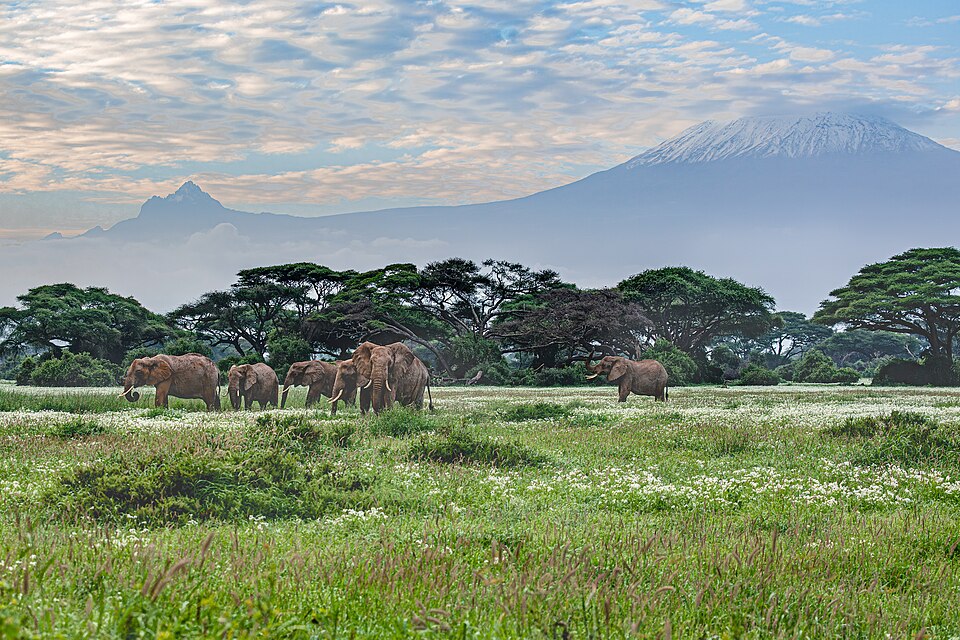
Amboseli’s elephants have been studied for more than 50 years and are exceptionally relaxed around vehicles, which makes for close, unhurried encounters. The classic photograph — elephants crossing the dusty plains with Kilimanjaro’s snow-capped summit above — is best in the early morning before cloud gathers on the mountain.
Observation Hill offers panoramic views across the swamps, and the surrounding Maasai group ranches offer cultural visits and quieter conservancy drives.
Highlights
- Close encounters with large elephant families
- Sunrise views of Kilimanjaro
- Observation Hill panorama over the swamps
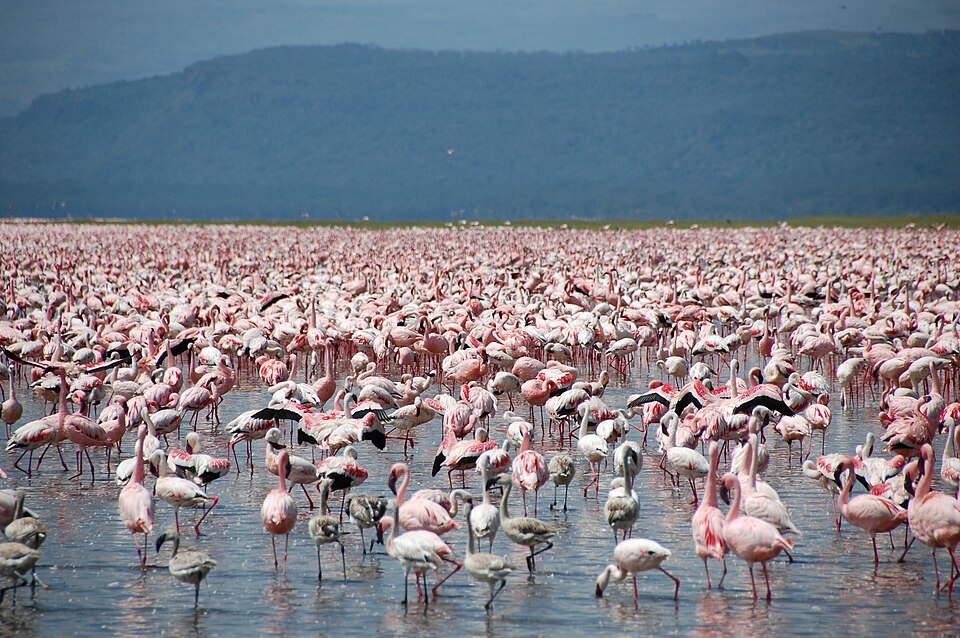
- Flamingos and waterbirds on seasonal lakes
Wildlife & what you'll see
- African elephant
- Buffalo and hippo in the swamps
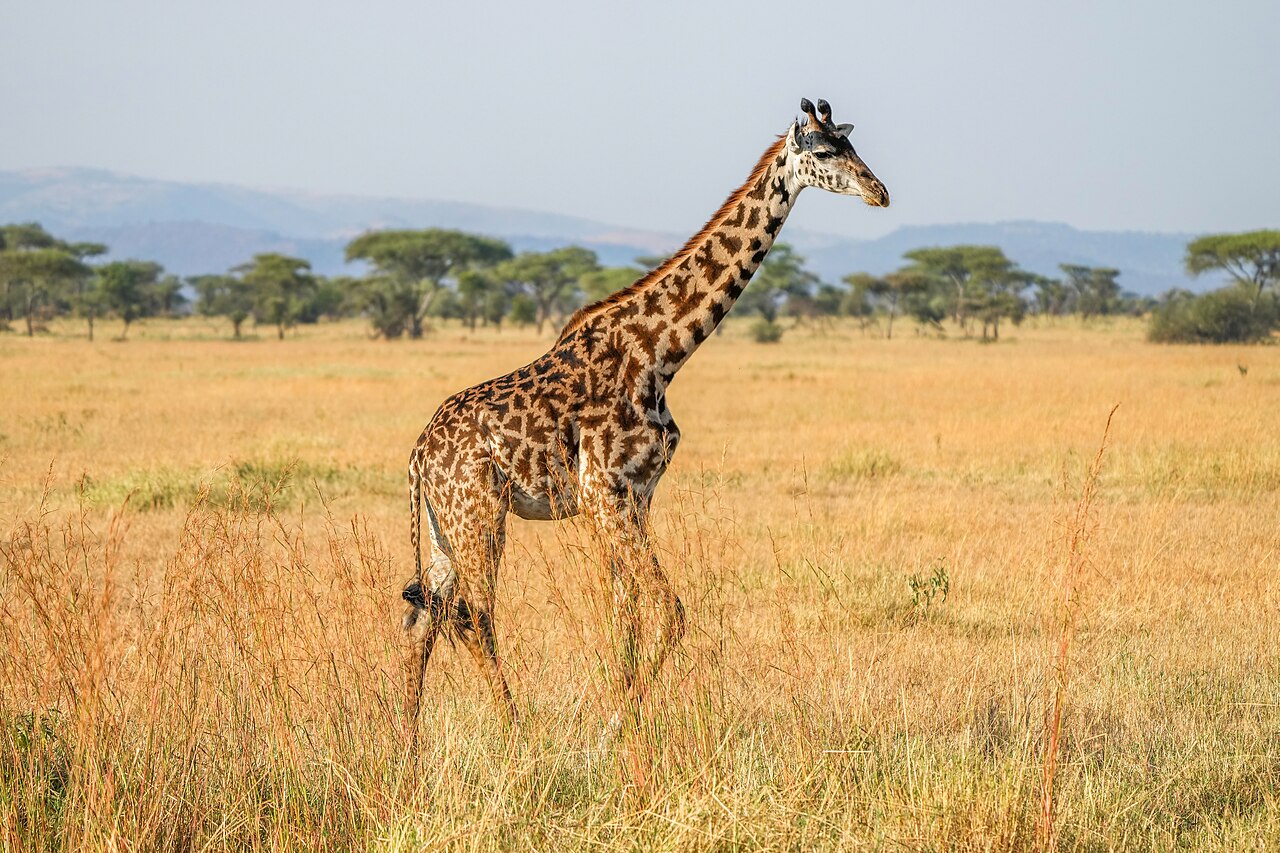
- Maasai giraffe, zebra and wildebeest
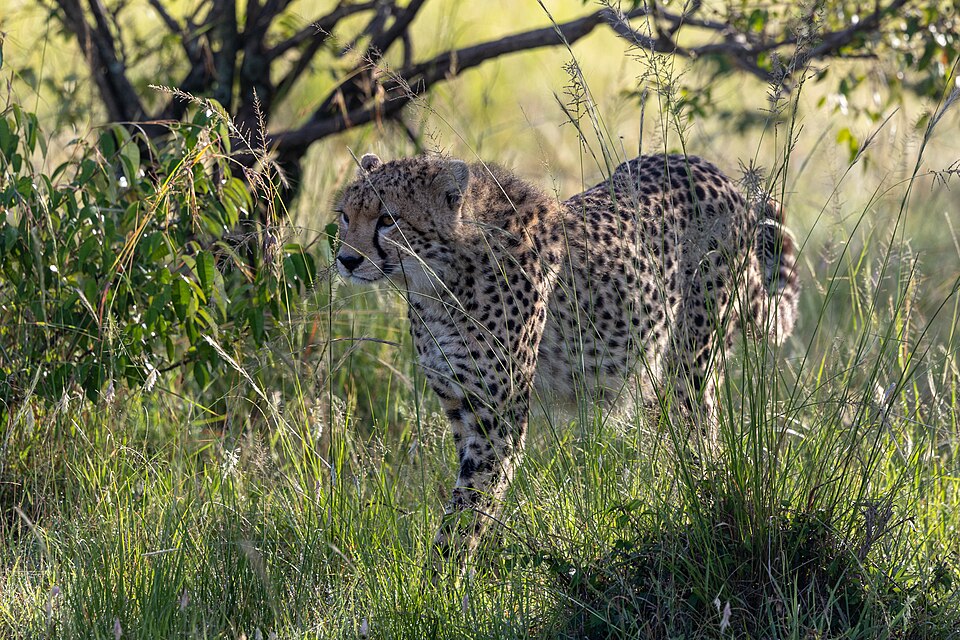
- Lion, spotted hyena and cheetah
- Pelicans, flamingos and herons
Things to do
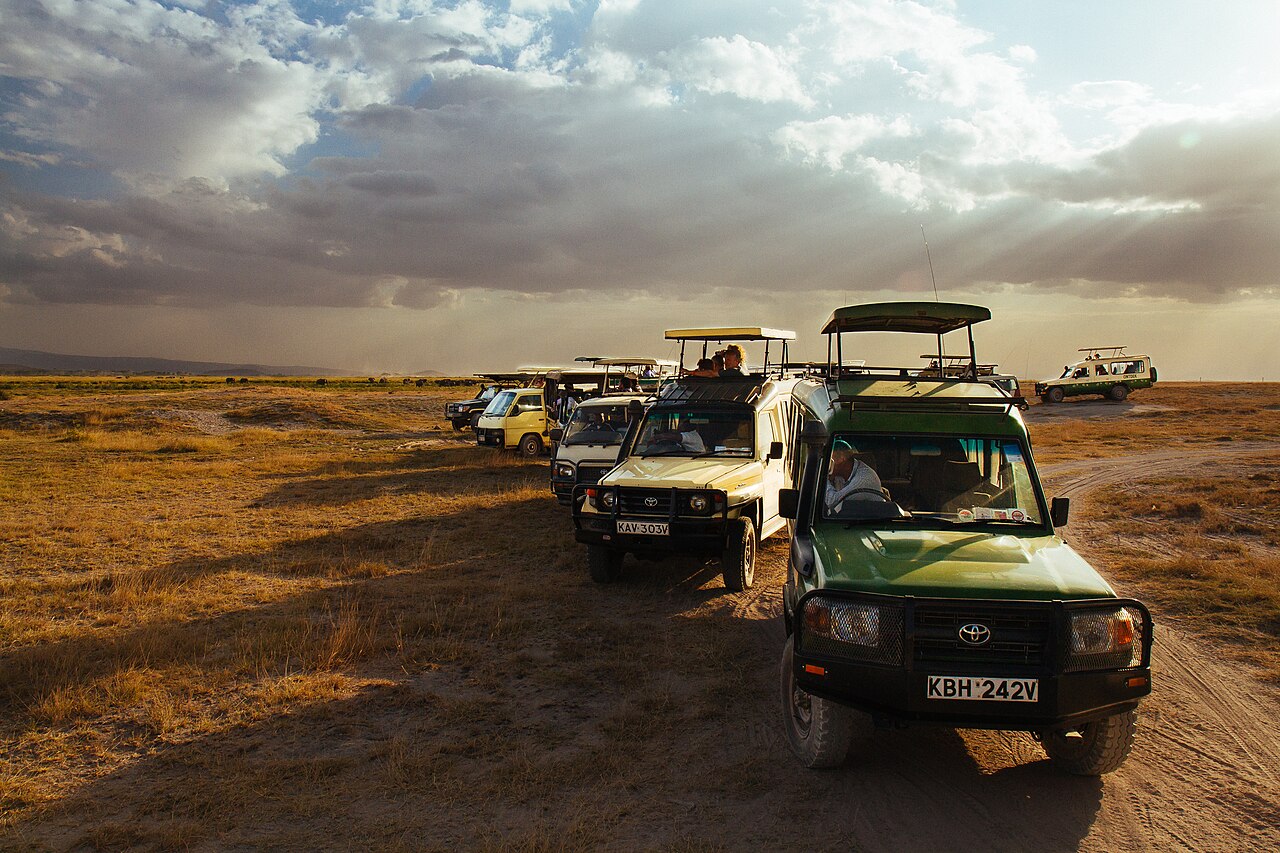
- Game drives
- Observation Hill walk
- Maasai cultural visit
- Photography at sunrise
Best time to visit
June to October and January to February for dry weather, clear mornings and concentrated wildlife around the swamps. Kilimanjaro is most often visible at dawn.
Getting there
Drive south-east from Nairobi (about 4–5 hours), or fly to the Amboseli airstrip from Wilson Airport.
Experiences in Amboseli
FAQs about Amboseli
Will I definitely see Kilimanjaro?
The mountain is often hidden by cloud during the day, but it is usually clearest at sunrise and late afternoon, especially in the dry months. Staying two nights gives you the best chance.