Travel guide

Climbing Kilimanjaro: Routes, Training and Kit

Choosing a route, how to train, what to pack and how to maximise your chances of reaching Uhuru Peak.

2 August 20267 min read

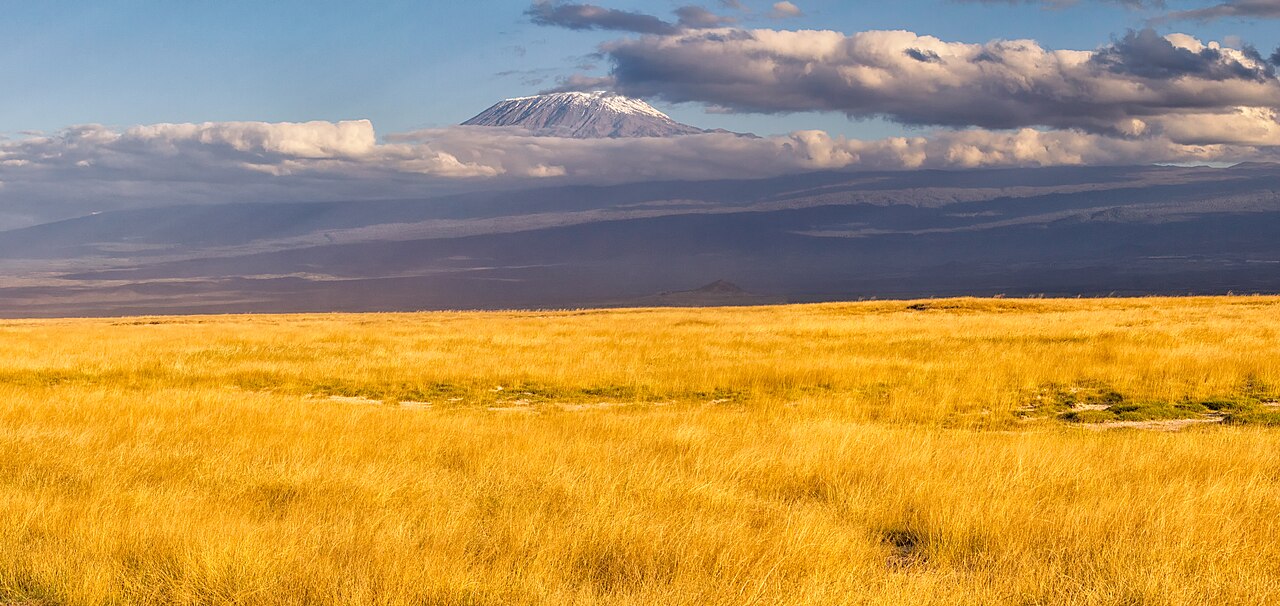
Photo: Ray in Manila / CC BY 2.0

Kilimanjaro is the highest mountain in Africa (5,895 m) and one of the Seven Summits, yet it can be climbed without technical skills. Success comes down to acclimatisation, preparation and a good crew.

Routes

  • Machame (6–7 days): scenic and popular, with good acclimatisation profile.
  • Lemosho (7–8 days): quieter and very beautiful; high success rate.
  • Rongai (6–7 days): approaches from the north; drier and less crowded.
  • Marangu (5–6 days): hut accommodation, but lower success rates on short itineraries.

Training

Build up to long hikes of 6–8 hours on consecutive days, ideally with some ascent, in the boots you will wear on the mountain.

Kit

You will need a warm sleeping bag, layered clothing, waterproofs, a down jacket, sturdy boots and a headlamp. We provide a full kit list and equipment hire.

On the mountain

Walk slowly (“pole pole”), drink 3–4 litres of water a day and tell your guide about any symptoms of altitude sickness.
See our 8-Day Kilimanjaro Machame Route Climb.

Related experiences

Safaris to experience it

Kenya · Tanzania · Uganda

14-Day Kenya, Tanzania & Uganda Safari

The ultimate East Africa safari: the Maasai Mara, the Serengeti and Ngorongoro, then gorillas and chimpanzees in Uganda.

Nairobi – Maasai Mara – Serengeti – Ngorongoro – Bwindi – Kibale Forest – Entebbe
PriceOn request
Tanzania

4-Day Serengeti Safari

Fly straight into the Serengeti for two nights, then drive back via the Ngorongoro Crater.

Arusha – Serengeti – Ngorongoro – Arusha
PriceOn request
Tanzania

8-Day Tanzania Luxury Safari

Coffee-estate lodge, riverside Tarangire camp, a crater-rim lodge and a migration camp in the Serengeti — with a flight home.

Arusha – Tarangire – Ngorongoro – Serengeti – Arusha
PriceOn request