East Africa straddles the Equator, so there is no summer and winter in the European sense. Instead, the year is shaped by two rainy seasons — the long rains (roughly March to May) and the short rains (roughly November) — and the dry seasons in between.
June to October: the classic dry season
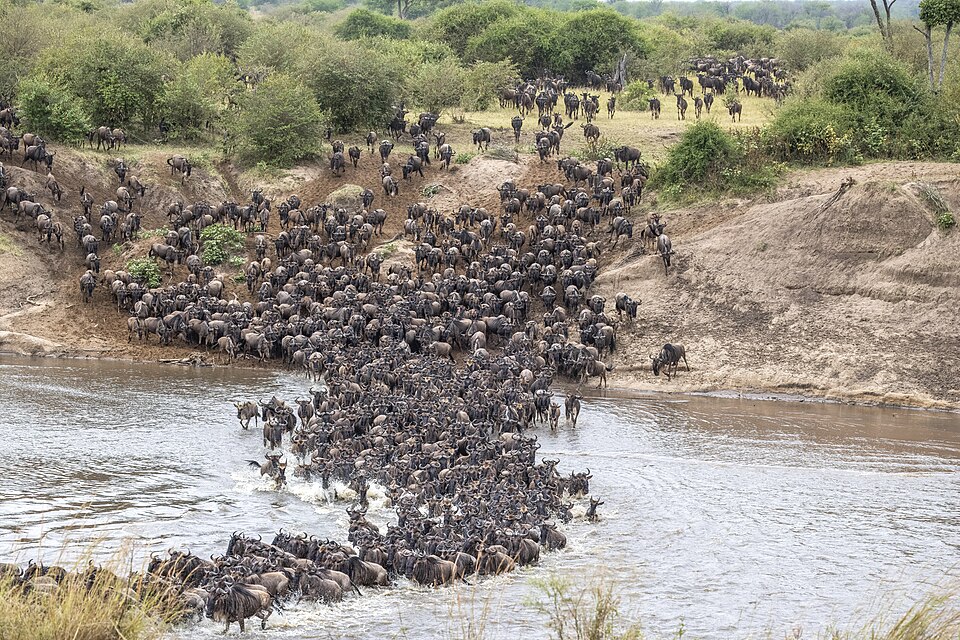
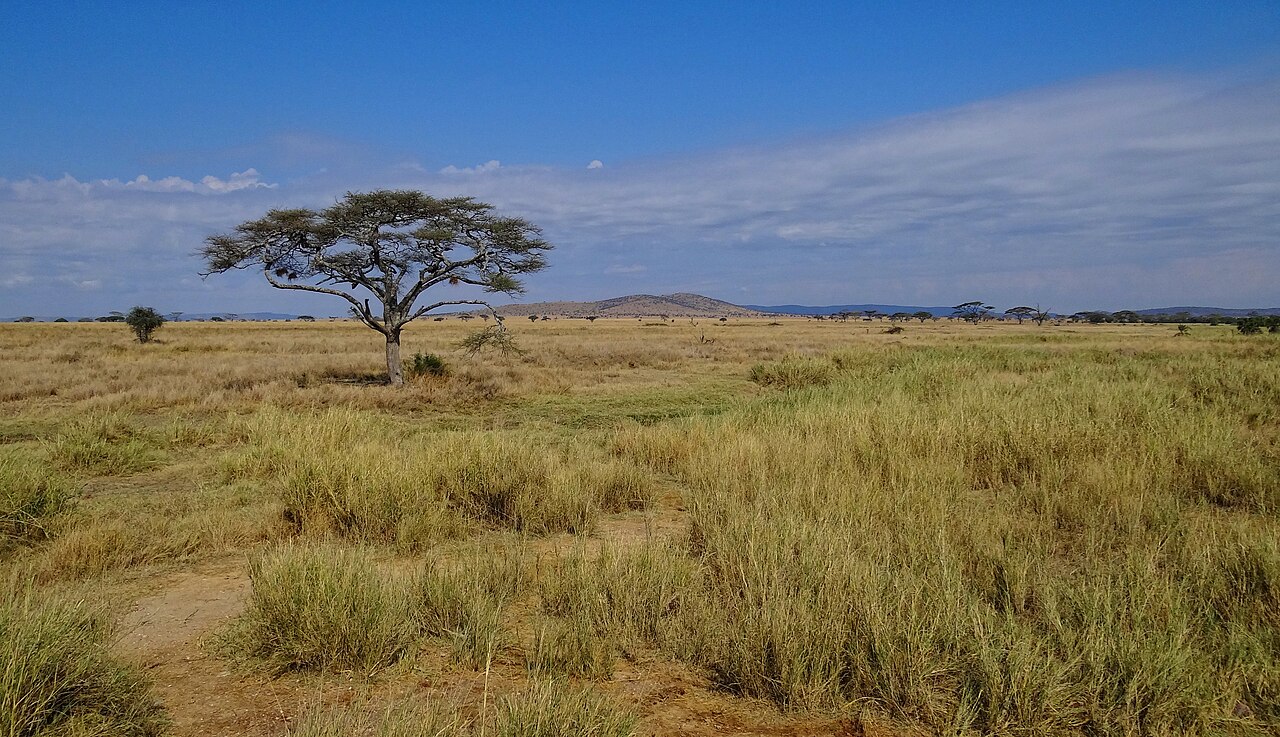
This is peak safari season in Kenya and Tanzania. Vegetation thins, animals gather at water sources and the Great Migration reaches the Maasai Mara and northern Serengeti. In Uganda, trails in Bwindi and Kibale are drier. Expect higher prices and busier parks; book early.
December to March: the short dry season
Warm, green and excellent for wildlife. In Tanzania, the calving season in the southern Serengeti peaks in February. Ethiopia is at its best from October to March, with festivals such as Genna and Timkat in January.
April to May: the long rains
The rainiest months see lower prices and far fewer visitors. Rain often falls in heavy afternoon storms, leaving mornings clear. Some remote camps close, but the landscapes are lush and birding is superb.
November: the short rains
Usually short showers rather than prolonged rain. A good-value time to travel, with green scenery and migrant birds arriving from Europe.
By country
- Kenya: July–October for the migration; January–March for dry, quiet safaris.
- Tanzania: June–October for the north; January–February for calving; June–October for the south.
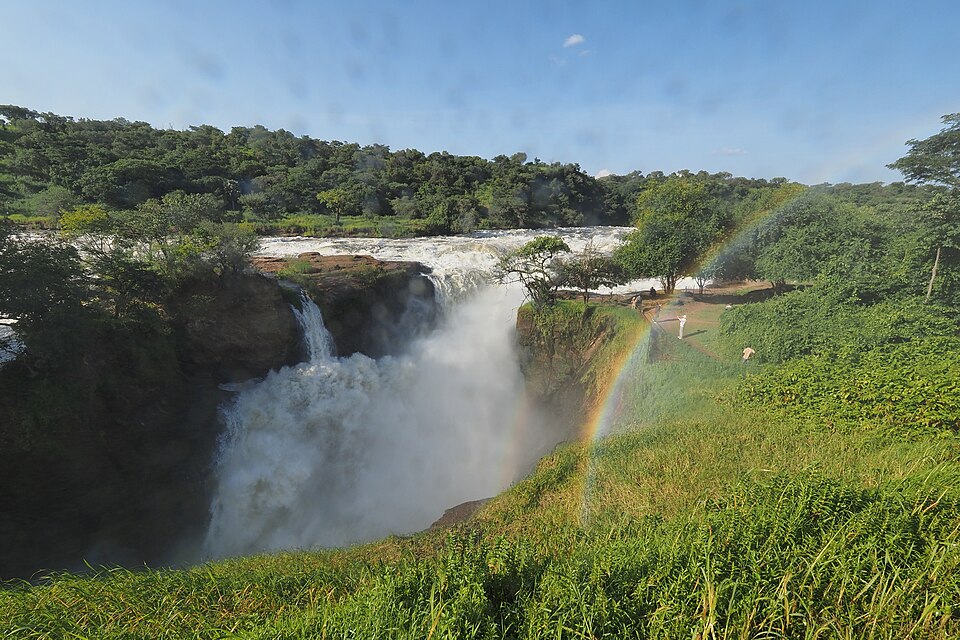
- Uganda: June–August and December–February for trekking.
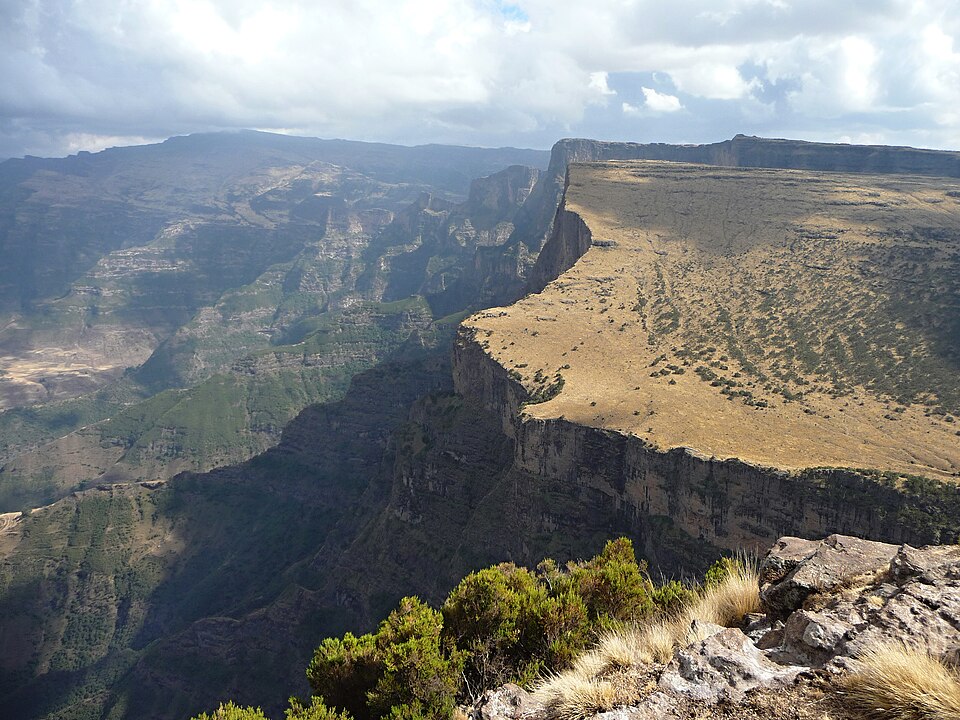
- Ethiopia: October–March, especially for festivals and trekking.
Not sure when to go? Tell us your dates and we will suggest the best route for that time of year.